I never told my arrogant son-in-law I was a retired Federal Prosecutor. At 5 a.m. on Thanksgiving morning, he called: “Pick up your daughter at the bus terminal”.

Part 1 of 3

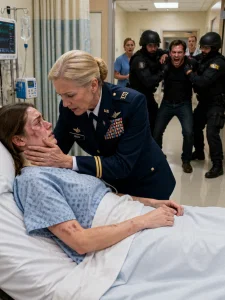
I arrived to find her freezing on a bench, covered in brutal bruises. “Mom,” she whispered, coughing blood, “they beat me… so his mistress could take my seat at the table.” While they were carving their Thanksgiving turkey and laughing with their guests, I put on my old badge, signaled the SWAT team, and kicked in their dining room door.

PART 1

The digital clock on my nightstand glowed with an intense red glare: 5:02 AM.
It was Thanksgiving morning. In my quiet suburban kitchen, permeated with the warm scent of freshly baked pumpkin pies, the shrill ringing of my cell phone broke the silence. The caller ID displayed one name: Marcus.
Marcus was my daughter’s arrogant husband, a rising young executive. Both he and his overbearing mother, Sylvia, idolized wealth and social status. In their eyes, I—a quiet, retired widow—was nothing more than a frail, useless, and pathetic old woman.
I answered the call. There was no greeting. His voice was flat, icy, and oozing with aristocratic disdain, as if he were giving instructions to a street sweeper to remove an offensive trash bag from his driveway.
— “Come pick up your garbage,” Marcus ordered.
— “Marcus?” I asked, forcing my voice to tremble slightly, perfectly playing the role of the helpless old woman he expected me to be. “What are you talking about? Where is Chloe?”
— “Chloe is sitting right now at the downtown bus terminal,” Marcus sighed heavily, the sound of a man deeply annoyed by his wife’s mere existence. “This afternoon I’m hosting a formal, exclusive dinner for my CEO, and last night your daughter decided it was the ideal time to throw a massive, hysterical scene. I simply don’t have the time or the patience to deal with this kind of trash today.”
I gripped the kitchen counter tightly. A dark knot formed in my stomach. Chloe was a brilliant, fiercely independent twenty-eight-year-old engineer. She didn’t throw “hysterical scenes.”
— “Is she sick, Marcus? Did you have an argument?”
A harsh, shrill laugh echoed in the background. It was his mother, Sylvia.
— “I’d say she’s more like crazy!” Sylvia hissed, her poisonous voice loud enough for the microphone to catch. “Tell her to take her pathetic daughter back to the hole she crawled out of! Tell her that brat ruined my new five-thousand-dollar Persian rug last night!”
— “You heard my mother, Eleanor,” Marcus said, regaining control with total poise. “Go get her. The luxury caterers arrive in four hours, and I won’t have her ruining my home. Don’t bring her back here.”
Click. The line went dead.
I rushed out into the freezing snowstorm and drove to the most dangerous, dilapidated bus terminal in the city. Under the flickering light of a broken streetlamp, I found my daughter.
She wasn’t throwing a tantrum. She was curled into a miserable, frozen ball on a freezing metal bench.
When I turned her over, a scream caught in my throat. My beautiful daughter’s face was unrecognizable—a gruesome canvas of violence. One eye was so swollen she couldn’t open it, and her cheekbone was fractured. These were the brutal defensive wounds of a woman who had been beaten to the brink of death.
— “Mom…” Chloe gasped, clutching weakly at my coat with her bloodied fingers. “They… Marcus and his mother… they used a golf club…”
The blood in my veins turned to liquid nitrogen.
— “He has someone else…” Chloe managed to articulate, as her frozen tears mixed with blood. “Sylvia told me… that I had to die to make room for her at the table…”
Her eyes rolled back. Her body went completely—and terrifyingly—limp in the snow.
Marcus and his mother thought they had disposed of a broken toy. They thought they had called a weak, pathetic old woman to discreetly clean up their crime scene, allowing them to welcome high society.
A mother’s paralyzing grief evaporated instantly, consumed by a cold, implacable fire. The fragile widow they thought they knew vanished into the frozen mist.
I pulled out my phone and dialed 911. My voice did not tremble. It was devoid of tears; it held only the chilling, clinical resonance of a signed death warrant.
— “I need an Advanced Life Support ambulance,” I stated with total clarity. “And… send me a police patrol. I need to report an attempted murder.”…

1. The 5 A.M. Call
The digital clock on my bedside table glowed a harsh, unforgiving red: 5:02 AM.

It was Thanksgiving morning. Outside my window, a bitter, relentless November wind whipped through the bare branches of the oak trees, driving thick, icy sleet against the glass. The house was quiet, filled with the comforting scent of the pumpkin pies I had baked the night before. I had been awake since four, preparing the small, intimate holiday meal I was expecting to share with my only daughter, Chloe, later that afternoon.

When the sharp, jarring ring of my cell phone shattered the silence, my heart performed a heavy, anxious stutter-step in my chest. Calls at five in the morning never brought good news.

I picked up the phone. The caller ID flashed a name that immediately tightened my jaw: Marcus.

Marcus was Chloe’s husband of three years. He was a junior executive at a prominent financial firm, a man whose ambition was only eclipsed by his staggering, suffocating arrogance. His mother, Sylvia, who lived with them, was a woman cut from the exact same venomous cloth. They were people who viewed kindness as a weakness to be exploited, and they viewed me—a quiet, retired woman living in the suburbs—as nothing more than a useless, eccentric old widow.

I took a slow breath and answered the call.

“Come pick up your trash,” Marcus said.

There was no greeting. No preamble. His voice was cold, flat, and dripping with an absolute, aristocratic disdain. He spoke the words as if he were instructing a sanitation worker to remove a particularly offensive garbage bag from his pristine driveway.

“Marcus?” I asked, forcing my voice to tremble slightly, playing perfectly into the role of the frail, harmless old woman he expected me to be. “What are you talking about? Where is Chloe?”

“Chloe is currently sitting at the central Greyhound bus terminal downtown,” Marcus sighed heavily, the sound of a man profoundly inconvenienced by the existence of his wife. “I am hosting my firm’s CEO and his entire family for a formal Thanksgiving dinner this afternoon, and your daughter decided last night was the perfect time to throw a massive, hysterical tantrum. She is completely unhinged, Eleanor. I simply do not have the time or the patience for this kind of garbage today.”

I frowned, gripping the edge of the kitchen counter. The uneasy feeling in my gut began to curdle into something darker.

“Is she sick, Marcus?” I asked, keeping my tone deliberately weak. “Did you two have a fight?”

A harsh, grating, and incredibly cruel laugh echoed from the background of the call. It was Sylvia.

“She’s crazy, more like it,” Sylvia’s venomous voice hissed loudly enough for the microphone to pick it up. “Tell her to come drag her pathetic daughter back to whatever hole she crawled out of. Tell her that brat ruined my brand new, five-thousand-dollar Persian rug last night.”

Marcus cleared his throat, regaining control of the call. “You heard my mother, Eleanor. Go get her. I have caterers arriving in four hours, and I won’t have her ruining the mood. Do not bring her back here.”

Click.

The line went dead.

I slowly lowered the phone from my ear. I stood in the warm, cinnamon-scented kitchen, but I felt as though I had been plunged into a bath of ice water.

Something was deeply, fundamentally wrong.

Chloe was twenty-eight years old. She was a brilliant, fiercely independent structural engineer. She was not a woman who threw “hysterical tantrums.” And a ruined new rug? Chloe was meticulous, careful, and possessed an almost pathological desire to avoid conflict with her domineering mother-in-law.

The narrative Marcus was spinning didn’t just feel off; it felt meticulously fabricated. It felt like an alibi.

The mother’s heart inside my chest began to beat a frantic, terrified rhythm, sensing a danger far more sinister than a simple marital argument.

I didn’t bother changing out of my sweatpants. I pulled on a heavy wool coat, shoved my bare feet into snow boots, grabbed my car keys, and ran out into the freezing, dark morning.

I drove toward the dilapidated, dangerous downtown bus terminal, the fog so thick I could barely see the taillights of the few cars on the road. The windshield wipers beat a frantic, rhythmic tempo against the sleet.

Under the flickering, jaundiced yellow light of a broken streetlamp near the terminal entrance, I saw it.

It was a solitary figure, curled into a tight, miserable ball on a freezing metal bench. The bench was covered in a thin layer of fresh snow. The figure wasn’t moving.

I slammed the brakes, throwing the car into park before it had even fully stopped, and threw the door open. I sprinted across the icy pavement.

“Chloe!” I screamed, the wind snatching the word from my mouth.

I reached the bench and dropped to my knees in the slush. I reached out, my trembling hands grasping the shoulder of the thin, inadequate coat she was wearing.

I gently rolled her onto her back.

The scream that had been building in my lungs died instantly in my throat, replaced by a suffocating, paralyzing horror.

2. The Miracle on the Bench
The beautiful, vibrant face of my only daughter was entirely unrecognizable.

It was a horrific, grotesque canvas of violence. Her left eye was swollen completely shut, the skin around it a deep, sickening shade of black and purple. Her lip was split open, a trail of dark, frozen blood tracking down her chin and staining the collar of her torn coat. The agonizing, unmistakable shape of a fractured cheekbone deformed the delicate structure of her face.

These weren’t the injuries of a “hysterical tantrum.” These were the brutal, methodical, defensive wounds of a woman who had been beaten within an inch of her life.

“Chloe!” I gasped, the cold air burning my lungs as I pulled her freezing, limp body into my arms, desperately trying to shield her from the biting wind. “Oh, my God, baby, what happened?”

Her body felt like a bag of crushed ice.

For a terrifying, endless second, I thought I was holding a corpse. But then, her remaining, unswollen eye fluttered open. The pupil was cloudy, unfocused, swimming in a haze of agony and shock.

She let out a wet, rattling cough. A mouthful of bright, frothy, crimson blood spilled over her pale lips, soaking instantly into the wool sleeve of my coat.

“Mom…” Chloe rasped, her voice barely a whisper, a sound composed entirely of pain.

“I’m here, baby,” I sobbed, tears finally breaking free, freezing on my cheeks. “I’m here. I’m going to get you help.”

She weakly grabbed the lapel of my coat, her bloody fingers leaving dark stains on the fabric. She was fighting the darkness, desperately trying to convey a message before she lost consciousness again.

“They…” Chloe wheezed, her chest heaving with the effort. “Marcus… and his mother… they used a golf club, Mom…”

I stopped breathing. The blood in my veins turned to liquid nitrogen.

“Mom,” Chloe choked out, another line of blood escaping her lips. “He has someone else… a woman… Sylvia told me… she told me I had to die to make room for her at the table…”

Chloe’s eye rolled back into her head. Her grip on my coat vanished. Her head lolled back against my arm, her body going entirely, terrifyingly limp. The rattling breath stopped.

The entire world seemed to plunge into absolute, suffocating darkness. The roar of the blizzard faded into a ringing, high-pitched silence.

No.

The word echoed in my mind, a primal, violent rejection of reality.

I pressed two trembling fingers hard against the freezing skin of her neck, searching desperately for the carotid artery. I held my breath, closing my eyes, praying to any god that would listen.

One second. Two seconds. Three.

And then, I felt it.

It was faint. It was impossibly slow, fluttering against my fingertips like a dying moth. But it was there. A stubborn, resilient, miraculous thrum of life, refusing to yield to the darkness.

She was still alive.

I didn’t scream for help. I didn’t break down into the hysterical, weeping mess that Marcus and Sylvia had undoubtedly counted on.

The agonizing, paralyzing grief of the mother evaporated instantly, burned away by a cold, brilliant, and absolutely unyielding fire. The fragile, retired widow they thought they had called vanished into the freezing fog.

In her place, a predator awoke.

I pulled my cell phone from my pocket. I dialed 911. My voice didn’t shake. It was devoid of a single tear, holding only the chilling, clinical resonance of a signed death warrant.

“This is an emergency,” I stated clearly to the dispatcher. “I am at the central Greyhound terminal. I have a female victim in critical condition, suffering from massive blunt force trauma and internal bleeding. I need an advanced life support ambulance dispatched immediately.”

I paused, my eyes locking onto the dark, icy road leading back toward the affluent suburbs.

“And,” I added, my voice dropping to a register of absolute, terrifying authority, “send me a police cruiser. I need to report an attempted murder.”

Continue to Part 2 Part 1 of 3

Leave a Reply

Your email address will not be published. Required fields are marked *