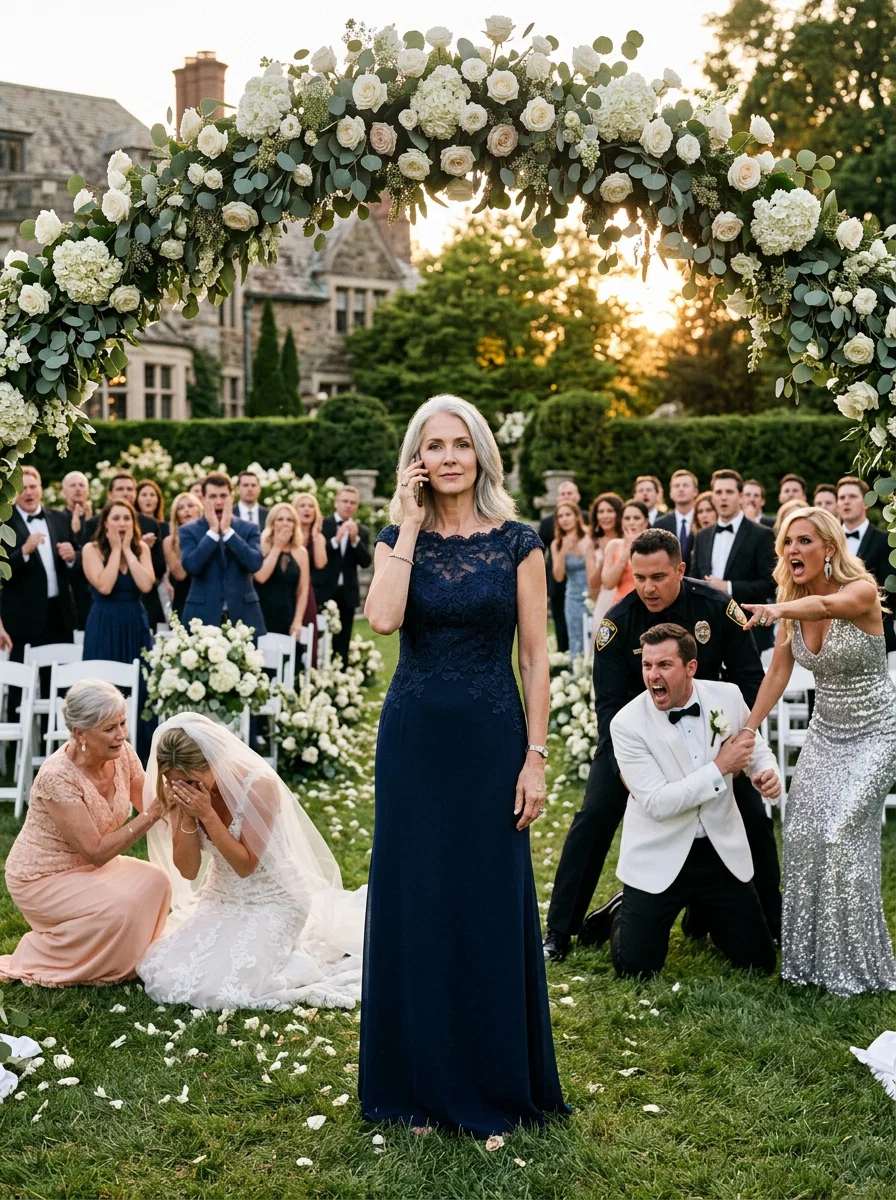
My son-in-law slapped me in front of two hundred wedding guests and whispered, “Hand over the farm keys. Now.” My daughter stood beside him in her lace gown, shaking. “Mom, please. Just do it.” They thought I was just an old widow clinging to land I couldn’t protect. So I walked outside, called the sheriff, and said the one sentence Brent never expected: “It’s time.”
Part 1: The Slap Before the Cake

The slap cracked through the reception hall louder than the wedding bells had an hour earlier.
For one frozen second, two hundred guests stared at me as if I were dirt tracked across my daughter’s perfect day. My knees weakened, and my hand struck the gift table to keep myself upright. Crystal champagne glasses trembled in a glittering pyramid, their rims chiming like tiny alarms.
My new son-in-law, Preston Vale, stood over me in a flawless white tuxedo. He smiled down with the calm satisfaction of a man who had just won a property auction.
“Don’t humiliate yourself, Marian,” he said, low enough to sound private but loud enough for the front tables to hear. “Give me the farm keys. Now.”
My daughter, Sophie, stood beside him in imported lace and pearls, her face ghost-white beneath bridal makeup.
“Mom,” she whispered. “Please. Just do it.”
That hurt worse than the sting across my cheek.
The farm—Rosehill Farm—had belonged to my family for four generations. Forty acres of apple trees, cornfields, pasture, and the old farmhouse my late husband, Samuel, had rebuilt with his own hands. When Preston first came around in his leased sports car, he called it “dead land.” A sentimental money pit. Then the county announced a highway extension near our western ridge, and suddenly my dead land became a fortune waiting to be carved into commercial lots.
Preston’s mother, Celeste, stepped from the crowd in silver silk, wineglass raised with irritated elegance.
“Really, Marian,” she sighed. “This backwoods drama is unnecessary. You’re alone now. You’re getting older. You can’t manage a place that size forever. Let the men handle business.”
A few groomsmen chuckled near the bar.
Alone.
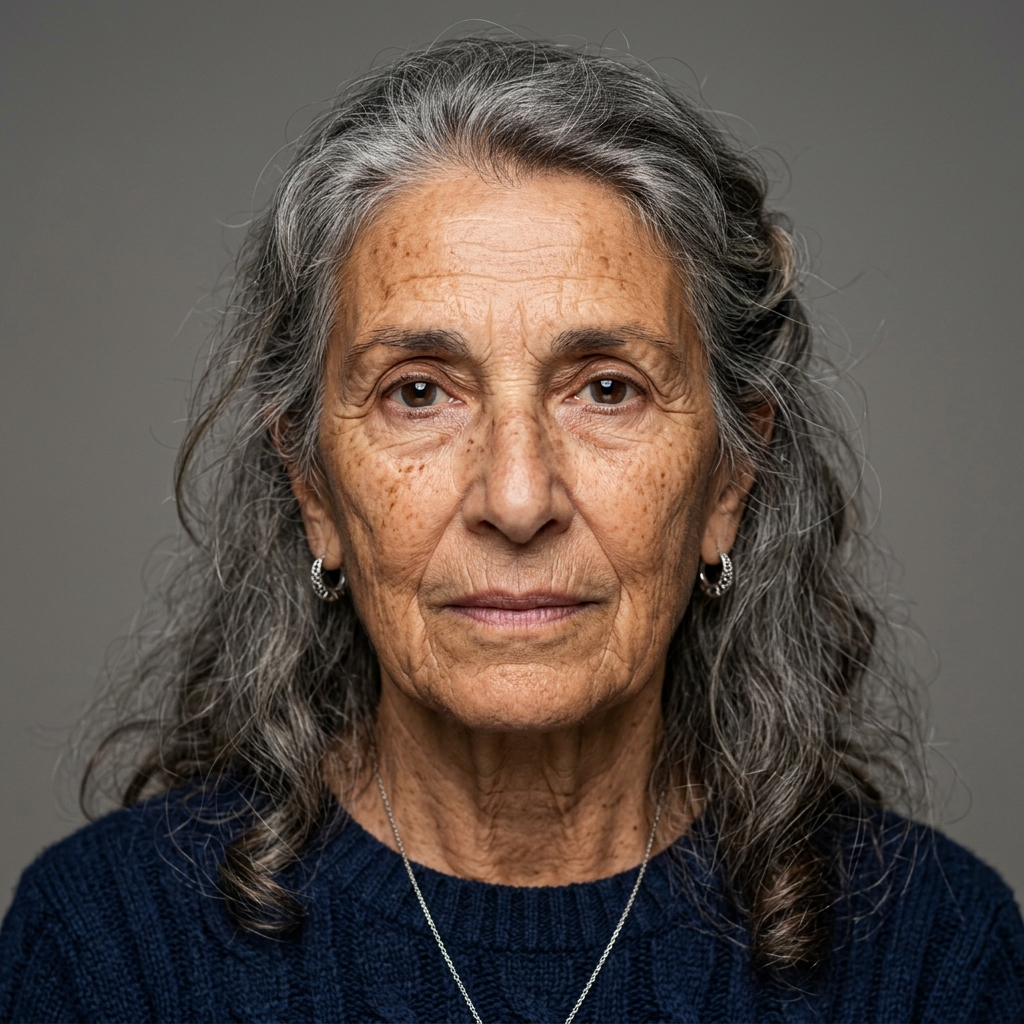
That was exactly what they thought I was: a sixty-two-year-old widow in a sensible navy dress, soil forever worked into her hands, the quiet church lady who brought peach pies to potlucks and wanted peace badly enough to surrender anything.
Preston held out his palm.
“The keys,” he said. “You promised Sophie a substantial wedding gift.”
“I promised her love,” I replied. “I promised her a home.”
His smile hardened. “Love doesn’t pay corporate property taxes.”
“No,” I said, tasting blood at the corner of my mouth. “But greed leaves fingerprints.”
Something dangerous flickered in his eyes.
Celeste leaned closer. “What did you say?”
I straightened slowly. My cheek burned, but my heart had gone still, like the air before a summer storm breaks over the valley.
Sophie reached toward me, trembling. “Mom, please don’t ruin this day for me.”
I looked at my daughter—the little girl I taught to plant tomatoes and ride stubborn ponies—and wondered when Preston had trained her to sound afraid of her own mother.
Then I looked back at him.
“You made a mistake, Preston.”
He barked a laugh. “No, Marian. You overplayed a weak hand.”
I did not argue. I turned and walked past the stunned guests, past the lavish floral arch, past the photographer lowering his camera like he had witnessed a crime but wanted no part of it. I pushed through the oak doors and stepped into the cold October night.
The wind struck my face, cleaner than his hand had been.
I took my phone from my purse and dialed the one person in the county Preston Vale never imagined I knew.
“Marian?” Sheriff Elias Ward answered.
“It’s time,” I said from the edge of the gravel lot.
A pause. Then his voice hardened. “He hit you?”
“Yes.”
“And demanded the keys in public?”
“In front of two hundred witnesses.”
“Stay where you are. Don’t let him corner you.”
I ended the call.
My hands were steady.

Part 2: The Documents They Didn’t Know I Had
The reception doors burst open behind me.
Preston strode into the night, flanked by two broad-shouldered groomsmen who mistook size for power.
“There she is,” he sneered. “The noble farm widow.”
I said nothing.
He adjusted his silver cufflinks. “Walking out doesn’t make you look dignified, Marian. It makes you look unstable.”