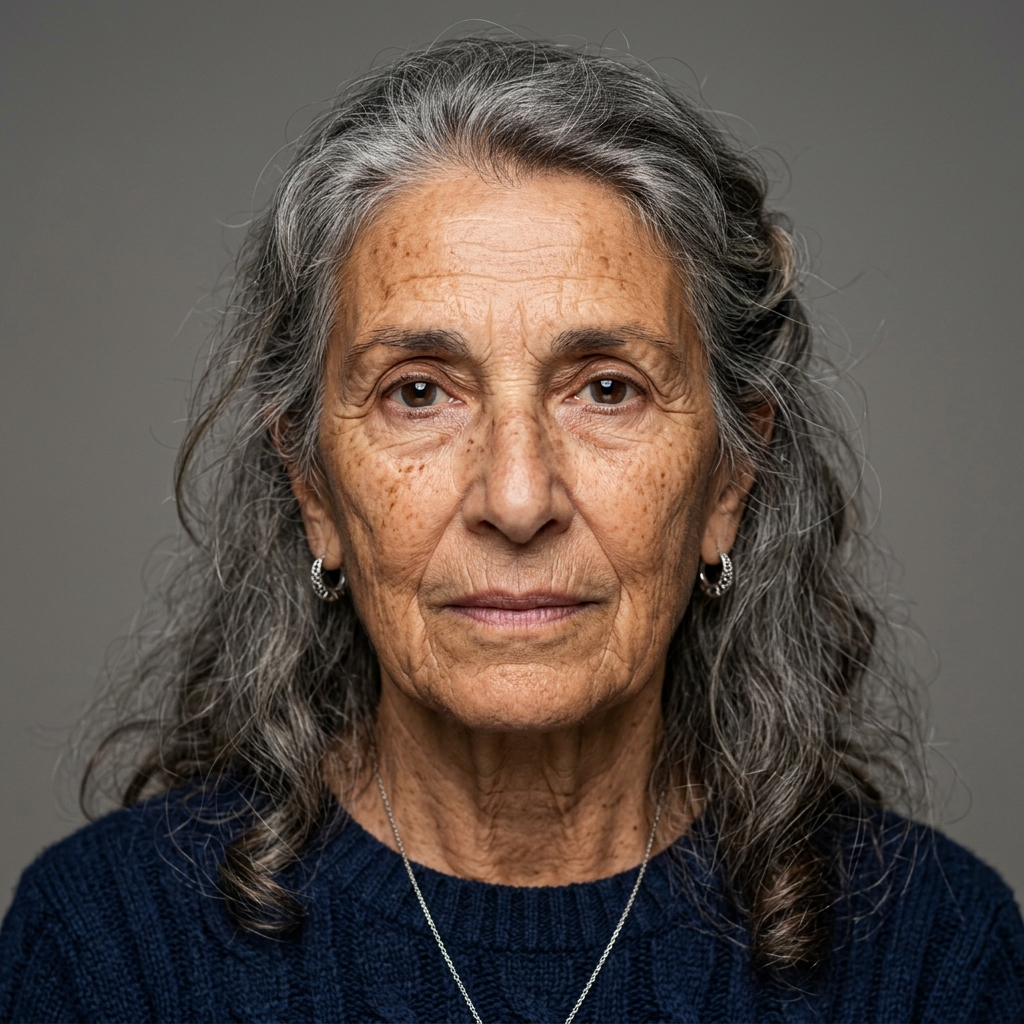
My Sister Got MILLIONS at Grandpa’s Funeral, I Got ONE Plane Ticket–Then 6 Words Changed Everything
My Sister Got Millions at Grandpa’s Funeral, I Got One Plane Ticket – Then 6 Words Changed Everything is one of the most gripping family revenge stories you’ll ever watch. At a powerful man’s funeral, my sister walked away with millions, the company, and the dream life while I was handed a single plane ticket. What looked like the ultimate humiliation turned into a journey no one saw coming. This is a true-to-life family drama about betrayal, hidden legacies, and a twist that rewrites everything you think you know about inheritance and loyalty. From the first shocking scene at the funeral to the final reveal of six words that changed my life, this video dives deep into the kind of family revenge story that feels all too real. Watch how a single decision and a single plane ticket transform disgrace into discovery and expose the real meaning of trust, service, and justice.
The rain was steady but polite at Arlington that morning, the kind that soaked your shoes without ever turning into a storm. I stood there in my army dress uniform, collar tight, cap tilted just right, watching the flag fold with practiced hands. Captain Riley Whitmore, Army logistics, present and accounted for. It was my grandfather’s funeral, but it felt more like a press event. Reporters lingered at the gates, and every time the honor guard moved, phones came out like it was a show. My sister Sabrina stood across the grave in a black designer dress that probably cost more than my monthly housing allowance. Her husband Cole Bennett adjusted her umbrella for her as if they were royalty. They looked like the stars of a lifestyle magazine. The grieving heiress and her handsome power husband. People whispered their names as they passed. Dun Defense Logistics, our family’s defense contracting company, had been on the front page enough times that they were minor celebrities in certain circles.
I didn’t hate them. I just stopped trying to understand them years ago. I joined the army straight out of college, partly to get away from the family machine, partly because I actually liked serving. Sabrina stayed close to Grandpa Thomas Whitmore, learning the company inside out, while Cole courted her at business conferences. By thirty, she was the face of Dun Defense. By thirty-four, I was the officer in charge of moving pallets of ammunition and MREs from one base to another. We each made our choices.
After the honor guard fired the final salute, we were ushered into the reception hall next to the cemetery. It smelled like polished wood and strong coffee. A long table held pastries no one was eating. A giant portrait of my grandfather in his Navy uniform stared down at us like he was still giving orders. I found a corner near the window and kept my posture straight. Years of inspections had trained me to stand still even when I wanted to bolt.
Sabrina, meanwhile, worked the room like a campaign stop. She shook hands, whispered condolences, and let people compliment her outfit. Cole smiled at everyone but never actually listened. When the family attorney, Mr. Harwick, cleared his throat, the noise dropped instantly. He was a thin man in his sixties with glasses that slid down his nose every time he looked up. He carried a leather folder that probably held the future of everyone in the room.
“Thank you all for coming,” he said, voice calm but firm. “Mr. Whitmore left very specific instructions. We’ll proceed exactly as he wanted.” Sabrina’s chin lifted a little. Cole squeezed her hand. I just stayed quiet, arms at my sides.
“To my granddaughter, Sabrina Whitmore,” Harwick began, “I leave controlling interest in Dun Defense Logistics as well as the family residence in Wyoming.” Gasps and murmurs rose. Sabrina didn’t even pretend to be surprised. She nodded once, gracious like a queen accepting her crown.
“To Mr. Cole Bennett,” Harwick continued, “I leave the Bennett Investment Trust and the vacation property on Lake Tahoe.” Cole gave a small, satisfied smile. My stomach tightened. I already knew where this was going.
“And to Captain Riley Whitmore,” Harwick said, pausing just long enough to make eye contact with me, “I leave this.” He reached into his folder and pulled out a small white envelope, the edges bent and soft. My name was scrawled across it in my grandfather’s shaky handwriting.
For a second, no one spoke. Then I heard it, a chuckle from someone in the back. Another person snorted. By the time I reached out to take the envelope, there were outright laughs. Sabrina’s voice cut through the noise, smooth and pitying. “Oh, Riley, Grandpa always said you liked surprises.” Cole added, “Maybe it’s a thank-you note.”
I didn’t answer. Years in uniform teach you to keep your face neutral. I took the envelope carefully, like it was something fragile.
“Go ahead, open it,” someone said. My hands didn’t shake, but my heart did. Inside was a single piece of paper and a boarding pass. Alaska Airlines, one way. Helena, Montana. Departure in thirty-six hours. No return flight. No explanation.
The laughter grew louder. “A plane ticket?” Sabrina said, eyebrows high. “Well, that’s different.” Cole muttered, “Guess he thought you needed a vacation.”
Mr. Harwick closed his folder. “That concludes the reading of the will.”
“That’s it?” I asked, my voice steady but low.
He adjusted his glasses. “There is a personal letter for you to be opened upon arrival in Helena.”
Sabrina tilted her head, her tone dripping with amusement. “A letter waiting at the other end of a one-way ticket. That’s cute.”
Cole smirked. “Maybe it’s a job offer at a ranch.”
I slipped the ticket back into the envelope and tucked it into my uniform pocket. The paper felt light, but it might as well have weighed a hundred pounds. My father would have told me to walk away. My mother would have told me to see it through. Both were gone now, and all I had was a piece of paper and a room full of people waiting to see me embarrassed. I took a step toward the door.
“Enjoy your inheritance,” I said, not looking at anyone in particular.
Sabrina’s smile faltered for a second. Cole looked like he wanted to say something but didn’t. Outside, the rain had eased into a drizzle. My government-issued black shoes splashed through shallow puddles as I crossed the parking lot. My car was a ten-year-old Ford Escape with a dented bumper. I slid behind the wheel and shut the door, the laughter from the hall still echoing in my head. I took out the envelope again, staring at the ticket. Helena, Montana. I’d been to more forward operating bases than vacation spots, but never Montana.
My leave balance was sitting at twenty-six days. I had a month before the next major logistics rotation. Nothing except common sense was stopping me. Common sense had never been my family’s strong suit. I started the engine, the windshield wipers squeaking once before finding their rhythm. Through the rain-specked glass, I could see Sabrina’s hired car pulling away from the curb, tinted windows hiding her expression. I tapped the ticket against the steering wheel. A one-way flight to a place I’d never been, left by a man who never did anything without a plan. My grandfather had been a Navy supply officer before building Dun Defense. He used to tell me, “You don’t move a single crate without knowing where it’s going.”
So why send me somewhere with no explanation? I didn’t know yet, but I was starting to think he’d just moved his last crate and it was me.
I put the ticket back in my pocket and shifted into drive. The GPS chirped directions to Fort Liberty. I had papers to sign, a commander to brief, and a duffel bag to pack. The rain stopped completely as I pulled out of the cemetery lot. The sky over Arlington was gray and flat, but a thin line of light showed on the horizon. I kept my eyes on the road and my hands steady on the wheel. Whatever waited in Montana, it wasn’t going to find me sitting still.
The wipers clicked off as I turned onto the highway back toward Fort Liberty. My uniform still smelled faintly of rain and gun oil from the rifles at the ceremony. My hands tightened on the steering wheel while my mind sorted through the logistics of what had just landed in my lap: one-way ticket, Montana, a letter waiting. The road hummed beneath my tires as I decided what to do next.
I reached my barracks just before noon. Soldiers were coming and going from the dining facility, some in PT gear, some in ACUs. My duffel bag still sat by my bunk from the last field exercise. I tossed my cap on the bed and sat down long enough to catch my breath. The room was quiet except for the muffled sound of a drill sergeant’s voice echoing from the hall. This was my world—schedules, orders, chain of command—and I knew exactly how to navigate it. The envelope in my pocket belonged to a different world entirely.
I took it out again and laid it on the desk. The ticket’s glossy paper reflected the overhead light. Departure: 3:15 p.m., two days from now. Destination: Helena Regional Airport. No return flight listed. I flipped it over, scanning for a clue. In the corner, written faintly in pencil, was “1944.”
My heart paused. That was the year my grandfather landed in Normandy as a young Navy supply officer. He told me stories about cold water, endless crates, and moving supplies under fire. But he’d never mentioned Montana.
I shut my laptop and stood. Action first, questions later. Years of planning convoys had drilled that into me. I walked down the hall to my commander’s office. Major Ferguson looked up from his paperwork, eyebrows rising at the sight of me in class A uniform on a weekday.
“Captain Whitmore,” he said, leaning back. “Everything okay at the funeral?”
“Yes, sir,” I said, keeping my tone even. “Requesting ten days’ leave effective immediately.”
His pen stopped mid-signature. “Ten days? That’s a big ask during rotation prep.”
“I have the leave accrued, sir. Personal matter.” I didn’t elaborate. Army life taught you to give only what was needed.
He studied me for a moment, then nodded slowly. “You’ve never asked for time off in six years. You’re squared away. Approved. Just make sure your second handles the manifest review.”
“Yes, sir.” Relief mixed with nerves in my chest. This was real now.
Back in my room, I opened my locker. Inside were two uniforms, a civilian jacket, and my father’s old leather journal. I pulled the journal down and flipped to the last page. A photograph fell out—Grandpa Thomas shaking my hand at my commissioning ceremony. His expression then had been unreadable, but his grip had been strong. I tucked the photo into the journal and set it on my desk. If I was going to Montana, it was coming with me.
Packing was quick. Two changes of clothes, boots, toiletries, the journal, and the envelope. My Army-issued duffel swallowed it all easily. I double-checked my bank account online: $2,140.37, rent due in a week. My Ford’s brakes needed replacing. This trip made no sense financially, but sense wasn’t why I joined the army either.
I called my mother. She picked up on the second ring, her voice soft but alert. “Riley, you made it back from D.C.?”
“Yeah, Mom. Grandpa left Sabrina the company.”
“And Cole got the rest.”
“And me? A plane ticket to Montana.”
She didn’t sound surprised. “Are you going?”
“I don’t know yet.”
“Riley, your grandfather never did anything without a reason.” She exhaled slowly. “When your father died, Grandpa called me. He said someday he’d ask something of you. He didn’t say what. He just said to trust it.”
I pressed the phone tighter to my ear. “It could be nothing.”
“It could be a trap. It could also be something only you can handle.” Her voice carried no pressure, just steadiness. “You’ve built your whole career on logistics. Maybe this is the last move he made.”
We talked a few more minutes, mostly about mundane things. When I hung up, I stared at the duffel bag. My mother was right. Grandpa played the long game. If he wanted me in Montana, there was a reason.
The next morning, I went to supply to hand over my manifests. Sergeant Keller looked up from the computer, eyebrows climbing. “You taking a vacation, ma’am?”
“Something like that,” I said. “Make sure the 88Ms get the revised convoy schedule.”
“Yes, ma’am.” He hesitated. “Everything good?”
“Ask me in a week.” It came out drier than I intended, but he grinned anyway. Word traveled fast on a base. By lunchtime, half the logistics office knew Captain Whitmore was flying somewhere. Let them speculate. I had a ticket and a deadline.
That night, I ironed my civilian shirt and set my boots by the door. My phone buzzed with a text from Sabrina: Hope you enjoy your little trip. Try not to get lost. I didn’t reply. She had no idea what she’d triggered.
Sleep came late and light. I dreamed of rows of crates stacked higher than I could see, all labeled with dates and places I’d never been. When my alarm went off at 0500, I was already awake. I shaved, dressed, and grabbed my duffel.
Detroit Metropolitan Airport was crowded with business travelers and families. No one looked twice at the woman with the army duffel in line for security. I bought a black coffee, sat near the window, and watched the planes taxi. Outside, snow flurries drifted across the tarmac like static. I pulled the envelope from my pocket one more time. The ticket felt heavier now, not lighter. My name and Grandpa’s handwriting seemed to stare back at me. I slid it away and opened my father’s journal instead. The last entry was a single sentence in his neat block print: Don’t let them turn you into something you’re not.
I closed it and took a long sip of coffee. Boarding was called. I stood, slung the duffel over my shoulder, and joined the line. The man in front of me argued with the gate agent about his carry-on size. A toddler behind me cried over a lost toy. Normal problems, normal lives. Mine felt anything but normal.
On the plane, I found my seat near the back—middle, of course. The woman on the aisle was already scrolling through her phone, nails tapping the screen. The man by the window wore a ball cap that said “Korea Vet” and stared straight ahead. He nodded once at my uniform jacket before closing his eyes. I buckled in, exhaled slowly, and rested the journal on my lap. The engine spooled up, a low vibration rising through the floor. The runway blurred past, and then Detroit dropped away beneath the wings. Clouds swallowed us. I glanced at the veteran by the window. His eyes were still closed, lips moving silently like he was remembering something. I looked down at my ticket again. Montana. 1944. Grandpa’s handwriting.
My hands stayed steady, but my heart felt like a drum line. As the seat belt sign dinged off, the flight attendant wheeled her cart down the aisle. “Water?” she asked. “Yes, thank you.” I twisted the cap and took a sip. The cold water jolted me awake. Grandpa had always told me, “Never move without knowing the route.” I didn’t know the route now, but I was moving anyway. The plane tilted slightly west, sunlight breaking through a crack in the clouds. I adjusted my seat and stared out at the endless white. My duffel was under the seat, my journal on my knees, and the envelope safe in my jacket pocket. Whatever waited at the other end, I was already on my way toward it. No turning back.
The plane dipped through a thin layer of cloud and a band of pale mountains appeared below like frozen waves. My seatmate, the Korea vet, woke up and rubbed his face, then glanced at the duffel bag under my feet. “Army?” he asked.
“Yes, sir,” I said quietly.
He nodded once. “Good work. Don’t let them tell you otherwise.” Then he closed his eyes again and leaned back. I stared out the window, following the ridgelines. Montana looked nothing like the Virginia suburbs or the bases I’d known. Wide, empty, sharp. My fingers tightened around my father’s journal. This wasn’t a conference or a funeral reception. This was stepping into a place I’d never been with nothing but a boarding pass and a name.
When the wheels touched down at Helena Regional Airport, the jolt went through my whole body. People popped up from their seats before the plane even reached the gate. I waited until the aisle cleared, then stood, slinging my duffel over my shoulder. The veteran at the window tipped his cap at me.
“Good luck, Captain.”
“Thanks,” I said, meaning it.
The terminal was small and plain, a couple of souvenir stands, a coffee counter, and a row of posters about outdoor recreation. Families hugged. Business travelers scrolled through phones. Nobody paid me any special attention. I followed the crowd toward the exit, scanning for whatever personal letter Harwick had mentioned. That’s when I saw him. A man in his late sixties stood by the doors holding a sign with my name printed in block letters: CAPTAIN RILEY WHITMORE. He wore a black jacket over a plaid shirt, jeans, and boots polished just enough to show care. His haircut was short in the way old soldiers keep it.
I walked over. “I’m Captain Whitmore. How—?”
His face brightened with something between relief and respect. “Ma’am, name’s Frank Holden. I served under your grandfather a long time ago. He asked me to meet you.”
I stopped short. “You knew him?”
“Sure did. Vietnam era. He was Navy. I was Army transport. Crossed paths on joint operations. Stayed in touch ever since. He said when the time came, I’d know what to do.” Frank reached for my duffel before I could protest. “Come on. It’s a bit of a drive.”
Outside, the air was crisp and dry. Nothing like the damp at Arlington. A black SUV sat at the curb. Frank opened the back door for me with a small nod. “This way, Captain.” The interior smelled faintly of leather and coffee. He merged onto a two-lane highway heading north. The landscape unfolded—rolling hills, patches of pine, snow clinging to shaded slopes. The sky stretched so wide it felt like a roof had been removed.
I watched the scenery slide by. “My grandfather never mentioned you. How was it?”
Frank chuckled. “He wouldn’t. He kept most things close, but he trusted me. When he asked for a favor, I said yes.”
“What kind of favor?”
“You’ll see soon enough.” He glanced at me in the mirror. “How’s the Army treating you?”
“Fine. Busy.”
“Logistics officer, right?”
“Yes.”
He smiled. “Figures. Thomas always said you had the head for supply chains.”
We drove for an hour, passing small towns with names I’d never heard, gas stations with one pump, diners with a single neon sign. Frank filled the silence with stories about old convoys. Nothing dramatic, just the kind of details only someone who’s moved cargo under pressure would know. Then he slowed, turned onto a gravel road lined with tall cypress trees. A metal gate swung open automatically, revealing a sign: VETERANS RENEWAL RANCH, PRIVATE PROPERTY.
I leaned forward. Beyond the gate stretched rows of low buildings, a training field, a greenhouse, and clusters of cabins. Men and women in work clothes moved between structures carrying tools, some wearing hats with unit patches. It looked like a cross between a base and a community center, but bigger, calmer.
“What is this place?” I asked.
Frank’s hands stayed steady on the wheel. “Something your grandfather built for people like us.”
We stopped in front of a main lodge made of stone and timber. Flags lined the walkway—American, POW/MIA, State of Montana. Frank cut the engine and turned to me. “This is where I leave you for a bit. Someone wants to meet you inside.”
I stepped out, boots crunching on gravel. The air smelled of pine and wood smoke. Inside the lodge, the entryway was simple but solid—framed photos of military units, shelves of books about leadership and transition, a bulletin board covered in job postings. A man stood near the fireplace waiting, tall, lean, silver hair cut close, wearing a flannel shirt rolled at the sleeves. He looked at me with an expression that felt like recognition but not surprise.
“Captain Whitmore,” he said, voice steady. “I’m Conrad Whitmore.”
The name hit like a round to the chest. “Whitmore?”
“Yes.” He held out his hand. “Your uncle. Half-brother to your father. Thomas was my father, too.”
I didn’t move for a moment, then took his hand. His grip was firm, warm.
“You’re telling me my grandfather had another son?”
Conrad nodded once. “He kept us separate. He thought it was better that way. But he never forgot you or your father.”
I glanced around the lodge again. “He built this?”
“Every acre.” Conrad gestured toward the windows. “Eight thousand acres. A program for veterans and their families. Job training, counseling, housing. He funded it quietly through a separate trust.”
My throat went dry. “Why me? Why send me here?”
Conrad didn’t answer right away. He walked to a desk, opened a drawer, and took out a sealed envelope. “This came with specific instructions. You were to open it only when you arrived.” He handed it to me. My name again in my grandfather’s handwriting. The paper felt heavier than the plane ticket had. I broke the seal and unfolded the letter.
“Riley, if you’re reading this, you chose to come. Good. You always understood service. Your sister and her husband have what they wanted. Here is what matters. This ranch is yours now. Run it. Grow it. Protect it. These people are your legacy. You earned it by never asking for it.”
No signature, just his initials.
I read it twice, then lowered the paper. “He left this to me.”
Conrad nodded. “The trust is in your name now. We’ve been keeping it running, but he wanted you to take over.”
I looked out the window at the field where a group of veterans was learning carpentry. A woman in a wheelchair was laughing with a trainer. A kid played with a service dog near the greenhouse. The scene was so ordinary and so un-Whitmore, it didn’t fit any story I’d been told about my family.
Frank appeared at the doorway, cap in his hands. “All set?”
Conrad smiled faintly. “She’s set.”
I folded the letter carefully and put it back in its envelope. My fingers were steady now. My grandfather’s game wasn’t about stocks or yachts. It was about this. I took a breath, the smell of pine and coffee filling my lungs. “All right,” I said quietly. “Show me everything. I’m a detail person.”
Conrad led me through a wide hallway lined with photos of veterans standing next to newly built houses, welding in a workshop, or shaking hands at graduation ceremonies. Each frame had a small plaque with a date and a name. It felt like walking through a living record of something real, not a publicity stunt. My boots made soft sounds on the wood floor, and the smell of coffee drifted from somewhere deeper in the building.
We stepped outside through a side door onto a covered porch. Below us stretched the full view of the property: a training field with obstacle courses stood to the left. Straight ahead, several barns and workshops buzzed with activity. To the right, rows of small cabins dotted the hillside, smoke curling from chimneys. In the distance, a greenhouse glinted in the sun next to a row of solar panels. Everywhere I looked, people were working. Some wore T-shirts with unit logos. Some wore jeans and gloves. All moving with the steady pace of people who had a purpose.
“Your grandfather started this with ten acres and a single barn,” Conrad said as we walked down the steps. “He built it up quietly over four decades. Most of the staff are veterans. Some live here while they transition. Others come for training and leave when they’re ready.”
I kept my eyes on a group of men and women repairing a tractor engine near one of the workshops. “And no one in the family knew.”
“He made sure of it,” Conrad said. “He didn’t want anyone treating it like a charity trophy. This was his real work.”
Frank caught up to us, carrying my duffel. “We’ve got a guest cabin ready for you, Captain.”
We followed a gravel path toward the cabins. Children’s voices drifted from a playground area near the greenhouse. I passed a bulletin board pinned with job listings from local businesses—welding, logistics, medical admin. Someone had tacked up a hand-drawn thank-you card from a kid with crayon tanks and helicopters.
“Most of our people come from the Army and Marine Corps,” Conrad explained. “Your grandfather understood that a soldier doesn’t stop needing structure just because the uniform comes off. He wanted a place where skills could translate into civilian life without the usual chaos.”
I stopped at the edge of the training field. A man in his fifties with a prosthetic leg was guiding two younger veterans through a carpentry exercise. His tone was patient but firm, the way a good NCO trains recruits. The sight hit me harder than I expected. I’d seen soldiers offload pallets in war zones, but seeing them build something for themselves felt entirely different.
Conrad noticed my expression. “He thought you’d get it right away,” he said quietly. “He said you understood logistics better than anyone else in the family. He said you never asked him for anything.”
We reached a cabin with a small porch and a wooden sign reading GUEST 3. Inside was simple but clean: bed, desk, small kitchen area, and a window facing the hills. Frank set my duffel down.
“If you need anything, I’m in the staff office down by the barn,” he said, tipping his cap.
“Thank you,” I said.
He left, closing the door gently behind him. I sat on the bed, pulled out the envelope with my grandfather’s letter, and read it again. “This ranch is yours now. Run it. Grow it. Protect it.” The words carried no warmth, but they carried trust. He hadn’t left me a yacht or a penthouse. He’d left me responsibility.
A knock at the door interrupted my thoughts. Conrad stood there with a stack of binders. “I figured you’d want to see the numbers,” he said. “Budgets, property deeds, the trust structure.” He laid the binders on the desk. Each tab was labeled neatly: Operations, Finance, Training Programs, Partnerships.
This wasn’t some side project. It was a functioning organization with real money and real work.
“We’ve been operating at full capacity for three years,” Conrad said. “We have state contracts for veteran job training, private donations, and a federal grant, but Thomas always said you’d take it further.”
I flipped through the first binder. Line items showed payroll, maintenance, program costs. There was nothing flashy. Every dollar went somewhere practical.
“How big is the trust?” I asked.
“Hundred and fifty million, give or take. The land alone is worth half that. Everything’s debt-free. Your sister inherited a lot of appearances. You inherited the only thing he built that wasn’t a shell.”
I closed the binder slowly. “Why didn’t he tell me?”
“He wanted you to make a choice, not take an assignment,” Conrad said. “He said, ‘If you came, you were ready. If you didn’t, it wasn’t time.’”
Outside, the sound of a power saw started up. I stood and looked out the window at a group of veterans framing a new cabin. One of them noticed me and gave a small wave. I waved back.
Conrad leaned against the doorframe. “We can walk the property whenever you’re ready. People will want to meet you, but there’s no rush.”
“I’m ready,” I said.
We walked down to the barns. Inside one, rows of tools hung on pegboards. Another held a mechanic shop where two young veterans were rebuilding an old pickup. In a classroom trailer, a woman in a sweatshirt marked USAF taught a computer skills workshop to a handful of students. Every corner felt organized, like a base, but without the barking orders.
One veteran recognized Conrad and came over. “Sir, the new batch of lumber arrived.” Conrad introduced me without ceremony. “This is Captain Riley Whitmore. She’s going to be involved here.” The man shook my hand firmly. “Welcome aboard, ma’am.”
I nodded, feeling a strange mix of pride and disbelief. These people didn’t know me as the granddaughter of a rich contractor. They saw me as a captain, another veteran willing to work.
By the time we circled back to the main lodge, the sun was dipping behind the hills. Conrad pointed to a framed photo on the wall near the entrance. It showed my grandfather in his eighties standing with Frank and several younger veterans holding a plaque that read 5,000TH GRADUATE. His face wasn’t the stiff businessman I remembered. He was smiling, almost relaxed.
“He was different here,” Conrad said. “He did the work himself. No cameras, no speeches.”
I traced the edge of the frame with my finger. “He never smiled like this back home.”
Conrad gave a small shrug. “He said home was complicated.”
I turned toward the window again, watching the cabins light up one by one as dusk settled. A few veterans gathered at picnic tables, eating dinner. A service dog trotted between them, tail wagging. This wasn’t some weekend retreat. It was a living network of people trying to rebuild. My grandfather had built supply chains in war and then built this to supply something else, a future. For the first time since the funeral, my shoulders dropped a fraction.
Conrad checked his watch. “There’s a meeting with the senior staff tomorrow morning. You’re welcome to sit in, ask questions, whatever you need.”
“I’ll be there,” I said.
We stood for a moment in the quiet of the lodge. Through the open door, the smell of pine mixed with the sound of laughter from outside. My grandfather’s letter rested in my jacket pocket, the ink pressing against the fabric like a weight I could finally carry.
Morning sunlight came through the cabin window before my alarm even went off. I rolled out of bed, boots hitting the floor, and looked at the envelope again. Last night, I’d read the short letter from my grandfather, but Conrad had hinted there was more in the office files. I pulled on a plain shirt, tied my hair back, and stepped out into the cool Montana air. The hills glowed pale gold, and the smell of wood smoke drifted from the dining hall down the path. Frank was already at a picnic table sipping coffee.
“Morning, Captain,” he said. “Staff’s meeting in the main lodge at 0900.”
“I’ll be there,” I answered, grabbing a cup of black coffee from the dining hall window. The veterans inside nodded as I passed. No one stared. It felt like an odd kind of respect, not because of my name, but because of the uniform.
At the lodge, Conrad had a table set up with binders and a small laptop. A few staff members were taking seats—a retired Air Force major who ran the training programs, a former Army medic handling the counseling services, and a quiet woman with an MBA who looked after the finances.
Conrad gestured for me to sit at the head of the table. “This is Captain Riley Whitmore,” he said simply. “Thomas wanted her to understand how the ranch works.” They each gave a short introduction and then went right back to discussing schedules, supply deliveries, and grant reports. It was refreshingly straightforward. No one tried to flatter me or fish for information. They just explained what needed to be done.
As they talked, Conrad slid a thicker envelope across the table toward me. “This is the personal letter he asked me to hold until you saw the ranch for yourself,” he said quietly. “It’s longer.” He wrote it two weeks before he died.
I waited until the staff meeting wrapped up and then stepped into a smaller office off the main room. Closing the door, I sat at a desk and opened the envelope carefully. Inside was a five-page letter in my grandfather’s handwriting, steadier than I expected.
“Riley,” it began. “If you’ve reached this point, you’ve already seen what matters. The family name became a business. The business became a habit. But this place is the only thing I built to last. Dun Defense was designed to impress. The ranch was designed to work.”
He wrote about how he’d watched me choose a commission in the army instead of a corporate internship. How he’d respected my father for being the only one who tried to keep the books honest. And how he’d watched Sabrina and Cole treat the company like a stage. “I gave them what they wanted—a title, a house, a pile of liabilities hidden under shiny numbers. They’ll either learn or they won’t. You, on the other hand, never asked for anything. So I’m giving you the only thing that isn’t hollow.”
He explained the trust structure in plain language: the land, the assets, the partnerships with state and federal agencies. He mentioned Conrad by name, describing him as “the brother your father never met but would have liked.” He ended with one short paragraph: “This ranch is not a gift. It’s an assignment you’ve already proven you can handle. If you choose to take it, use your training. Don’t make speeches. Build systems. Hire good people. Serve them before they serve you. That’s how you win a war that isn’t fought with weapons.” No signature, just TWW at the bottom.
I folded the letter slowly, feeling the paper edges against my fingertips. For years, I’d believed my grandfather didn’t understand me. Reading his words, I realized he’d understood exactly who I was.
When I stepped back into the main room, Conrad was waiting. “You read it?”
“Yes,” I said.
He nodded. “Then you know what he expected.”
“I do. How do we start?”
We walked outside together. On the training field, the carpentry group was framing the walls of a new cabin. A delivery truck had arrived with supplies. Frank was directing a team to unload lumber. The entire scene looked like an operation without anyone shouting—clear tasks, everyone busy. It reminded me of a well-run supply point in a combat zone, minus the weapons.
Conrad led me to a small office near the greenhouse where the ranch kept its administrative files. “Here’s the paperwork transferring control to you,” he said, handing me a folder. “It’s all legal. Thomas had it notarized last month.” Inside were deeds, bank statements, and a set of keys labeled for various buildings. There was also a card with the contact information of the ranch’s attorney and accountant. Everything was organized. Nothing left to chance.
I looked up at Conrad. “You’ve been running this place all this time. You could have claimed it yourself.”
He gave a small shrug. “He wanted it to go to you. I agreed. My name’s never been on the trust.”
I set the folder on the desk. “I don’t know if I’m ready for this.”
“You’ve been ready longer than you think,” Conrad said. “You already manage millions of dollars in assets for the army. This is the same skill set, just a different mission.”
We walked back toward the cabins. A woman in a wheelchair rolled past with a service dog at her side. She nodded to us. Conrad greeted her by name, asking about her new job placement. She smiled and gave him a thumbs up before continuing on. I slowed my pace, taking in the details: the supply shed labeled by category, the posted training schedules, the maintenance logs clipped to each tool rack. It was exactly the kind of system I would have built. My grandfather had seen that coming and left it to me.
Frank approached with a clipboard. “Delivery from Billings came early,” he said. “Need someone to sign.”
“Me.” I took the pen and signed without hesitation. It felt strangely natural, like taking over a convoy manifest. Frank gave me a brief nod. “Welcome aboard, Captain.”
As the afternoon stretched on, Conrad walked me through the financials and upcoming projects: a new computer lab, expansion of the counseling wing, and a pilot program with a local construction firm to hire graduates directly. Every number was matched with a real plan, not a vanity project. By the time we reached the porch of my cabin again, the sun had shifted west. Groups of veterans headed to the dining hall for dinner. Kids ran between the cabins, their laughter echoing off the hills. The scene felt solid, grounded. No yachts, no penthouses, no headlines—just people working and rebuilding. I stood on the porch holding the letter, the trust documents, and the keys. For the first time since the funeral, the weight in my chest felt like responsibility instead of humiliation.
The next morning started before sunrise. I laced up my boots and walked the gravel path to the main lodge while the hills were still wrapped in mist. Veterans were already moving: a group heading to the greenhouse, another jogging the perimeter trail, two men unloading pallets at the supply shed. It was like a base coming to life but without the noise of drill sergeants. Conrad handed me a clipboard when I reached the porch.
“Daily ops log,” he said. “Thought you’d want to see how things actually run.”
I scanned the columns—names, tasks, time slots, equipment lists. It was familiar territory. “This is tighter than some units I’ve been in,” I said.
“That’s the idea,” Conrad replied. “Structure without suffocation. Thomas believed veterans respond best to clear tasks and honest feedback, not pity.”
Inside the lodge, staff gathered around a large table. Frank briefed the day’s deliveries—lumber, medical supplies, a shipment of laptops for the computer lab. The Air Force major gave an update on training completions. The medic reported new intakes. Each spoke quickly. No wasted words.
When it was my turn, I stood without thinking. “We need a better tracking system for supply usage,” I said, pointing at the clipboard. “Half this data could be digitized. You’d save hours.” Nobody flinched. The finance manager jotted a note. Conrad just said, “Good. Draft a plan.”
After the meeting, I followed Frank out to the loading area. He showed me how they received shipments, checked manifests, and distributed materials. The process was solid, but slow—paper logs, handwritten signatures.
“We’re not exactly high-tech,” Frank admitted. “Budget’s there, but none of us are IT people.”
“I can fix that,” I said. “It’s just workflow.”
We spent the next few hours walking the property. In the workshop, a former Marine taught welding. In the classroom trailer, a veteran in his twenties practiced résumé writing with a volunteer coach. In the counseling wing, a quiet room with soft chairs offered space for PTSD group sessions. Every stop looked like a node in a supply chain: input, process, output. I could almost see the flowcharts forming in my head.
By lunchtime, my clipboard was full of notes. I ate at a long table with staff and program participants. Nobody asked me about yachts or penthouses. A young veteran named Tyler told me about learning carpentry after losing his job in the oil fields. A woman named Carla talked about starting a small trucking business with help from the ranch’s grant program. Listening to them, I realized this place wasn’t charity. It was infrastructure for second chances.
After lunch, Conrad walked me into a small office off the barn. “We need to talk about Dun Defense,” he said, closing the door.
I sat, setting down my clipboard. “What about it?”
He opened a laptop and rotated it toward me. A news article filled the screen: DUN DEFENSE LOGISTICS UNDER FEDERAL REVIEW. Sub-headlines about irregularities in contract billing and missed delivery deadlines. Stock price plummeting. Comments from anonymous employees about unsustainable spending.
I scanned the text. “How bad is it?”
“Bad,” Conrad said. “Thomas warned me a year ago. He knew Sabrina and Cole were chasing optics instead of operations. The yacht’s leased. The penthouse has two mortgages. The company’s leveraged.”
I felt a flicker of something. Not satisfaction exactly, but a grim recognition. My grandfather hadn’t punished me at the funeral. He’d insulated me.
“Does Sabrina know you’re here?” Conrad asked.
“No,” I said. “She probably thinks I’m at some army conference.”
He nodded. “Let’s keep it that way for now. You have enough to handle.”
I looked back at the article. “This is going to hit them hard.”
“It already is,” Conrad said. “Vendors are pulling out. Contracts are in jeopardy. The image they built can’t cover the holes much longer.”
I closed the laptop slowly. “So, while they’re losing everything they thought was secure, I’m standing on land that’s actually paid for.”
“Exactly.”
We went back outside. The sun had burned off the mist and the hills shone bright. Veterans were finishing morning tasks, heading to afternoon training. I joined a group moving boxes into the new computer lab. Frank handed me a box labeled NETWORKING GEAR.
“You sure you want to carry that yourself, Captain?” he asked.
“I’ve humped heavier in Afghanistan,” I said, earning a small laugh from the group.
Inside the lab, we unpacked routers, monitors, and keyboards. The Air Force major pointed at a corner desk. “We’re hoping to teach basic IT skills here next month.”
“You’ll get more than basic once I set this up,” I said, plugging in cables. Years of setting up ad hoc command posts had left me with enough tech skill to wire a room quickly. By midafternoon, the place was humming with screens and a functioning network.
Frank watched me work. “You’re making yourself useful fast,” he said.
“Old habits die hard,” I replied.
When the last box was emptied, I stepped outside and wiped my hands on my jeans. The ranch looked different to me now. It wasn’t just grandpa’s secret project. It was a living machine, and I knew how to run machines.
Conrad walked over from the barn. “I saw the news feed updating again,” he said quietly. “Another contract loss. They’ll be scrambling soon.”
I exhaled slowly. “They wanted the company. They got it. Now they can manage the fallout.”
He studied my face. “You don’t sound happy about it.”
“I’m not.” I looked out at the cabins. “I didn’t come here to watch them fail. I came because he asked me to.”
Conrad nodded. “That’s why you’re the one he chose.”
We stood in silence for a moment, listening to the sound of hammers from the construction site. The smell of fresh-cut wood mixed with the crisp mountain air.
“What’s next on the schedule?” I checked my watch.
“New intake orientation,” Conrad said. “You should sit in. Good way to understand the people you’re responsible for now.”
In a small classroom, five new arrivals sat at folding tables. They looked tired but alert—the way soldiers look after a long movement. A staff member went over the rules: work hours, housing, support services. I stayed in the back listening. When the staffer introduced me as Captain Whitmore, a few heads turned, but no one said anything. They were here for their own reasons, not mine.
Afterward, a man with a faded 101st Airborne patch on his jacket approached me. “Ma’am,” he said, “I heard you’re running this place now. That true?”
“I’m here to make sure it keeps running,” I replied.
He extended his hand. “Name’s Jesse. Thanks for giving us a shot.”
I shook his hand firmly. “You’re welcome. Let’s make it count.”
As evening settled, I walked back to my cabin. The envelope with my grandfather’s letter lay on the desk next to the trust documents. Outside the window, porch lights glowed across the property. Groups of veterans were sitting together, eating dinner, talking quietly. The air was cool but not cold, carrying the smell of pine and earth. I sat on the bed and took a long breath. For the first time since the funeral, I felt steady. I hadn’t planned this, but it fit like a uniform cut to my size. My grandfather had handed me a puzzle, and I was beginning to see the edges.
The sound of my phone vibrating on the desk cut through the quiet of the cabin before dawn. I reached for it automatically, still half asleep, expecting some army notification. Instead, the screen showed a name I hadn’t seen in months: SABRINA WHITMORE. I watched it ring until it went to voicemail. Then it rang again. And again. By the third call, I answered. Her voice came through fast, frantic—nothing like the polished executive tone she used at public events.
“Riley, we need to talk. It’s urgent.”
“You do realize it’s 0500 here.”
“I don’t care about the time zone. This is about Dun Defense. Everything’s falling apart. The contracts—” She stopped, catching her breath. “You know what’s happening?”
“Yes,” I said evenly. “I’ve seen the reports.” A pause, then softer. “Why didn’t he tell me?”
“You never asked,” I said, standing and walking toward the window. Outside, veterans were already starting morning PT, silhouettes moving against the gray hills. “You wanted the company. You got the company.”
“How—? We’re drowning here,” she said. “Cole doesn’t know how to handle it. The board is panicking. We’ve had to put the yacht up for sale. The penthouse is going to foreclosure. Vernon’s out. It’s a mess.”
I kept my eyes on the training field. “What do you want from me, Sabrina?”
Another pause. “Help, please. I know Grandpa left you something. Cole says it’s some kind of trust. We can make a deal—”
I cut her off. “This isn’t about a deal. It’s about running something real. And you’re calling because the fake is gone.”
Her tone cracked. “I don’t know what to do.”
“I’m busy,” I said, and ended the call.
The phone immediately buzzed with a text: Call me back, please.
I set it face down on the desk. The knock at my door came a second later. It was Conrad.
“You’re up early,” he said, stepping inside.
“Sabrina just called,” I said.
He raised an eyebrow. “That didn’t take long.”
“She’s panicking. Wants help.”
“What did you tell her?”
“That I’m busy.”
Conrad gave a small nod. “Good. Focus here first.”
We walked down to the main lodge. Staff were already gathering for the morning meeting. Frank gave his usual update, then passed me the clipboard. I reviewed supply movements and training schedules without missing a beat. It felt natural now—my voice giving orders, people listening, systems moving.
After the meeting, a veteran named Carla stopped me outside. “Captain Whitmore, the trucking co-op wants to expand into two more counties. They need your signature on the grant form.”
“Bring it to my office,” I said. “I’ll sign after lunch.”
As she walked off, Conrad leaned on the porch railing. “You’re settling in,” he said.
“I’m working,” I replied.
We headed to the construction site where the new cabins were going up. I grabbed a hammer and joined a team nailing frames. One of the younger veterans looked at me curiously.
“You’re the boss here, right?”
“I’m a captain,” I said. “Right now, I’m a carpenter and one-of-eight.”
He smiled and went back to work. We built in silence except for the sound of hammers, sawdust floating in the sunlight.
During lunch at the dining hall, my phone buzzed again. This time it was a message from Cole: We’re desperate. Sabrina’s losing it. Please call.
I showed it to Conrad. “They’re not going to stop,” I said. “They’ll keep pushing until you set a boundary,” he said. “You can choose to let them sink or throw them a rope—but do it on your terms.”
After lunch, I went to the office and opened my grandfather’s letter again. Be kinder than they were, but keep control. His handwriting stared back at me. I closed the letter and looked at the trust documents. The vineyard was secure. The ranch was secure. My army leave still had two weeks left. I had time to make a decision.
A knock at the door. Frank stepped in. “Truck from Billings is here. Also, two reporters showed up at the gate asking about you.”
“Reporters?” I said.
He nodded. “Local news. They heard about a mystery Whitmore running a veterans ranch. I told them no comment.”
“Good,” I said. “Keep it that way.”
By midafternoon, I was helping set up the new IT system in the classroom. Veterans filed in, curious about the computers. I explained how to log in, how to use spreadsheets, how to apply for jobs online. They listened intently. It reminded me of teaching soldiers to run inventory software in the field. Different war, same skills.
When the session ended, a young man stayed behind. “Ma’am,” he said, “thanks for doing this. Nobody treats us like we can learn new things.”
“You can,” I said. “You just need the right tools.”
He smiled and left. I stayed in the empty classroom for a moment, hands on the desk, thinking about how different this felt from the boardroom Sabrina craved. No cameras, no fake applause, just actual progress.
Walking back to the cabin, I checked my phone again. A new voicemail from Sabrina, her voice trembling, almost unrecognizable: “Riley, please. Grandpa trusted you. We need guidance. We can’t—we can’t hold it together.”
I put the phone down and stood on the porch looking out over the ranch. The hills, the cabins, the people moving with purpose. This was solid ground. And for the first time, I realized I wasn’t angry anymore. I was just done playing their game.
Conrad approached from the path, hands in his jacket pockets. “Everything okay?”
“They’re breaking,” I said simply.
He nodded. “Let them. That’s how they’ll learn.”
I looked back at the cabins, the service dogs, the smell of dinner drifting from the dining hall. “I’m not sure if I want them to drown,” I said quietly.
“That’s your call,” Conrad said. “But don’t sacrifice this place to save them.”
We walked toward the lodge together as the sun dipped low, turning the hills copper. Veterans gathered at picnic tables, laughing, eating, some tossing a football back and forth. The air was cool and steady, nothing like the storm coming for Sabrina and Cole. Inside my jacket pocket, the letter felt lighter now, like it had shifted from a burden to a guide.
A cold wind rolled down from the hills as I walked the perimeter trail at sunrise, my boots crunching on gravel. The phone was heavy in my pocket. Sabrina’s voicemails had gone from frantic to pleading. I could have ignored them forever, but my grandfather’s line kept echoing in my head: Be kinder than they were, but keep control. That wasn’t a platitude. It was an order.
I cut across the training field toward the barn where Conrad was reviewing supply receipts. “I’ve made a decision,” I said.
He looked up from the clipboard. “Let’s hear it.”
“I’m going to offer them jobs here. Real jobs. No titles, no shares. If they want stability, they can earn it.”
Conrad’s eyebrows rose slightly. “That’s generous.”
“It’s not charity,” I said. “It’s a test. If they can handle the work, they’ll stay. If not, they’ll leave. Either way, this place stays intact.”
He nodded. “I’ll draft the paperwork. What roles?”
“Cole can manage the U.S. distribution for our wine program. That’s his skill set. Sabrina can run marketing, but she’ll start from zero—no automatic budget, no personal assistant.”
Conrad scribbled notes. “When do you want to tell them?”
“Now,” I said, pulling out my phone.
I called Sabrina. She answered on the first ring, voice raw.
“Riley?”
“I’m going to say this once,” I said. “I’m not bailing you out. I’m not giving you money, but I’ll give you and Cole jobs at the ranch’s affiliate operations. Salaries only, no ownership. You’ll work under me and Conrad. No exceptions.”
Silence, then a choked laugh. “You’re serious?”
“Dead serious. You show up here by Monday. If you’re late, the offer’s gone.”
“I—” she started, then stopped. “We’ll be there.”
“Okay. Good,” I said, and hung up.
Conrad raised an eyebrow. “That was fast.”
“They’ve run out of options,” I said.
We spent the day preparing. Frank arranged two extra cabins near the staff quarters. The finance manager set up payroll paperwork. I drafted job descriptions stripped of all fluff.
Cole Bennett, Logistics Coordinator.
Sabrina Whitmore, Marketing Coordinator.
No vice president. No director. No corner office. Just work.
By afternoon, I was back in the computer lab teaching veterans how to build spreadsheets for inventory tracking. A group of five followed along, asking sharp questions. One of them, Jesse, grinned at me. “You run this like a field exercise,” he said.
“That’s because it is,” I said. “Just without the bullets.”
When the session ended, I walked outside and saw a delivery truck pulling up with supplies for the vineyard. I signed the manifest and helped unload crates. A young veteran asked, “Ma’am, is it true your sister’s coming here?”
“Yes,” I said, hoisting a box. “She’s going to work like everyone else.”
He smirked. “Bet she’s in for a shock.”
“That’s her problem,” I said.
Dinner that night at the dining hall was a mix of quiet and chatter. News had already spread about Sabrina and Cole. Veterans whispered, but no one looked surprised. This was a place built on second chances. Two more people showing up fit right in.
The next day, I spent the morning with Conrad walking through the distribution warehouse adjacent to the ranch. Pallets of wine bottles were stacked neatly, each labeled with a destination: Denver, Seattle, Dallas. Forklifts hummed in the background.
“Cole will start here,” I said. “He needs to understand the product before he sells it.”
“He’s going to hate it,” Conrad said.
“Good,” I replied. “That means it’s working.”
After lunch, I set up a workspace and a small office for Sabrina: a desk, a chair, a laptop. On the wall, a corkboard with pinned flyers from local events where our wine was served. No corner view, no designer furniture—just a job.
Frank walked in holding a clipboard. “Cabins are ready,” he said. “They’re flying in tonight.”
I nodded. “Meet them at the gate. No special treatment.”
That evening, as the sun dropped behind the hills, a black SUV rolled up the gravel road. I stood on the porch of the main lodge with Conrad and Frank. The SUV door opened. Sabrina stepped out first, dressed in jeans and a plain sweater, no jewelry except a watch. Cole followed, his usual confidence muted. They looked around, taking in the cabins, the hills, the smell of wood smoke.
Sabrina spotted me and walked up the steps. “This place is huge,” she said quietly.
“It’s a working ranch,” I said. “Not a resort. You’ll find your cabins over there. Tomorrow morning, 0700, you start orientation with staff.”
Cole tried to smile. “Orientation?”
“Everyone does it,” I said. “Welcome aboard.”
Frank led them to their cabins. Conrad stood beside me, arms crossed. “You sure about this?” he asked.
“Yes,” I said. “They need a reality they can’t buy.”
We went back inside the lodge. The fire crackled in the stone fireplace. Staff members looked up briefly, then returned to their work. No one gawked. It was just another day at the ranch.
Later, I walked the path back to my cabin. The sky was clear and full of stars. Behind me, I heard the faint sound of Sabrina and Cole dragging suitcases across the gravel. For the first time in their lives, they were stepping into a world where their name didn’t open doors. I didn’t feel triumphant. I felt calm. My grandfather’s plan wasn’t about punishing them. It was about giving them a chance to become something else.
Inside my cabin, the letter lay on the desk where I’d left it. I sat down, boots still on, and read the last lines again: Serve them before they serve you. That’s how you win a war that isn’t fought with weapons. I folded it carefully and slid it into my jacket pocket.
Tomorrow would be another day of work for all of us.
Dawn broke cold and clear over the hills as I headed to the main lodge. My phone alarm had gone off at 0530, but I was already up. The smell of coffee mixed with wood smoke drifted from the dining hall. Out on the training field, veterans were stretching, some jogging the perimeter trail. Two new faces—Sabrina and Cole—stood awkwardly near the picnic tables with clipboards in their hands, waiting for Frank to start orientation. They looked like new recruits on their first day, stripped of their rank and reputation. I walked past without slowing.
“Orientation starts at 0700 sharp,” I said. “You’re on the schedule like everyone else.”
Sabrina gave a small nod. Cole muttered something about not being a morning person but fell in line. Frank ran them through the rules: work hours, safety protocols, reporting procedures, no special treatment, no private offices. They’d be rotating through operations for two weeks before settling into their permanent roles. Sabrina would shadow the marketing staff and handle social media for actual events, not staged photo shoots. Cole would work in the distribution warehouse learning the supply chain from the ground up.
By 0800, Cole was in a reflective vest, helping move pallets of wine bottles onto forklifts. His designer sneakers were already coated in dust. Sabrina was in the greenhouse photographing veterans learning hydroponic gardening for a community outreach post. She had to ask names, write down captions, and schedule posts through a basic content manager. The veterans treated them politely, but without deference. Everyone here had done something harder than losing a penthouse.
At lunch, I sat at a table with Conrad and Frank. Across the room, Sabrina and Cole sat together eating stew from metal bowls. Cole’s hands were covered in scrapes. Sabrina was rubbing her temples.
Conrad noticed me watching them. “They’re learning,” he said.
“They’re surviving,” I replied. “Learning comes next.”
The afternoon brought a routine logistics drill—or it was supposed to be routine. A delivery truck carrying lumber for new cabins blew a tire on the highway ten miles away. It was blocking a lane and the driver had no backup crew. Frank came into the lodge with the news.
“Highway patrol says we’ve got two hours before they tow it. We need that lumber today.”
“I’ll handle it,” I said, standing. Then I looked at Cole. “You’re with me. This is your department now.”
His eyes widened. “Me?”
“Yes. Logistics. Let’s go.”
We took a ranch pickup loaded with straps and cones. Cole sat stiffly in the passenger seat, checking his phone like it might save him. “I’ve never done roadside recovery,” he said.
“You’ve run a company with defense contracts,” I replied. “You can handle a flat tire.”
When we reached the truck, the driver looked relieved. “Tire blew out, ma’am. No spare big enough.”
I assessed the load. “We’ll offload half, secure the rest, and shuttle it back. Cole, grab those straps.”
He hesitated, then moved to the back. Together, we organized a line of veterans who’d driven out with a second pickup. We unloaded the top rows of lumber, secured the remaining stack, and coordinated the first run back to the ranch. Cole sweated through his shirt but kept moving. By the second run, he was giving directions himself.
When the last board was stacked safely at the ranch warehouse, he leaned against the truck, breathing hard. “That was—” He shook his head. “Actually satisfying.”
“That’s logistics,” I said. “Things go wrong. You solve them.”
Back at the ranch, Sabrina had her own crisis. The social media post she’d scheduled for an outreach event accidentally included an outdated sponsor logo. The sponsor called the office furious. Instead of handing it off, she fixed it herself—called the sponsor, apologized, replaced the logo, reposted with a correction. When I walked into the office later, she was still on the phone smoothing things over. Her voice was steady—not fake-smooth.
When she hung up, she exhaled and looked up at me.
“Handled?” I asked.
“Handled,” she said. “They’re actually sending a thank-you email.”
“Good,” I said. “That’s how you keep a relationship.”
Dinner that night felt different. Cole sat with the warehouse crew, laughing about the flat tire incident. Sabrina joined the marketing staff, taking notes on upcoming events. They still looked out of place, but the arrogance was gone. It was replaced by something I hadn’t seen in them before—humility mixed with focus.
After dinner, I walked the perimeter trail alone. The stars were bright above the dark hills. My phone buzzed with a text from my mother: He’d be proud of you. I smiled at the screen, then slipped it back into my pocket. Pride wasn’t the point. The point was making the system work.
On my way back, I passed the cabins where Sabrina and Cole were staying. The porch light was on. Through the window, I saw them sitting at the table with papers spread out—schedules, notes, grant forms. They were actually studying, not posing, not scheming. Just working.
Conrad met me at the lodge steps. “Heard about the highway run,” he said. “Cole did okay.”
“He did fine,” I said. “And Sabrina handled a sponsor call without spinning it. They’re getting a crash course in reality.”
He gave a small smile. “Sometimes that’s all people need.”
We stood together watching the last of the veterans head to their cabins. The smell of pine and diesel from the trucks mingled in the cool night air. It felt like a base at stand-down—everyone tired but accomplished.
Inside my cabin, I laid the clipboard of the day’s notes on the desk. Tomorrow’s schedule was already full: more training, more shipments, another intake class. The work didn’t stop. That was the point. Work replaced entitlement. Work built something you could stand on.
I took out my grandfather’s letter and unfolded it again, eyes lingering on the line about serving before being served. This wasn’t just about me running a ranch. It was about building a culture where even my sister and her husband could unlearn what they’d been taught. Whether they stayed or left didn’t matter as much as them seeing—even for a short time—what real service felt like.
I set the letter down and looked out the window. Porch lights glowed across the property. A service dog barked once, then curled up at its handler’s feet. In the distance, someone strummed a guitar near a fire pit. The hills were dark shapes against the starfield. The day had started with panic and ended with progress. No speeches, no headlines—just a shift you could feel under your boots.
The sky was a hard blue the morning of the dedication. Flags lined the gravel road leading to the new training center we’d built on the far side of the ranch. Veterans and staff had been working double shifts for weeks to get it finished. The building stood clean and solid against the hills, a mix of wood and steel with wide ramps and big windows. No marble plaques, no donor walls—just a sign that read WHITMORE VETERANS RENEWAL CENTER.
I walked the perimeter before the event, checking every detail the way I would check a convoy: tables set up with coffee and water, folding chairs in rows, a small stage built from plain lumber, service dogs lying quietly at their handlers’ feet—everything simple, functional, respectful.
Sabrina and Cole were there early, helping staff set up chairs. Cole was carrying cases of bottled water. Sabrina was pinning name tags to a board. Neither complained. When they saw me, they gave small nods and kept working.
Conrad joined me near the stage. “Never thought I’d see this day,” he said.
“Neither did I,” I replied. “But here we are.”
At 0900 sharp, people started arriving: state officials, local business owners, veterans’ families, and a handful of reporters who had been told firmly that there would be no grandstanding. My mother arrived quietly, wearing a simple jacket. She hugged me without a word, then found a seat near the front. Frank signaled that we were ready. I walked to the microphone, the letter from my grandfather folded in my jacket pocket. I didn’t give a long speech. I just said, “This center exists because people here know what it’s like to start over. Today, we open a space where more of that can happen.” Then I stepped back. The crowd applauded—short and sincere. No standing ovation, no flashbulbs—just hands clapping.
Afterward, groups toured the new classrooms and workshops. One room had welding stations, another had computers ready for IT training. A third was set up for small business coaching. Sabrina led a group of local reporters through the media room, explaining how the ranch partnered with businesses. She sounded like a professional, but not slick—just clear. Cole showed a logistics manager from Helena how the distribution hub connected with the vineyards. He looked like he’d been doing it for years.
I moved through the rooms quietly, listening. Veterans explained programs to visitors without prompting. Kids ran between tables eating cookies. The smell of fresh paint mixed with coffee and sawdust. It felt like something built to last.
By lunchtime, the formal part of the event was over. People sat at picnic tables eating sandwiches. My mother found me near the greenhouse.
“You’ve done a good thing,” she said simply.
“I didn’t do it alone,” I replied.
She smiled faintly. “Your grandfather knew you wouldn’t.”
We walked toward the new center together. Sabrina was talking with a group of female veterans about social media campaigns. Cole was loading boxes into a van for a delivery. They didn’t look like heirs anymore. They looked like staff.
Later in the main lodge, Conrad handed me a folder. “Financials for the new wing,” he said. “We’re under budget. We can start the Colorado site next year if you want.”
“Let’s finish this one first,” I said.
He chuckled. “Practical as ever.”
As evening approached, the guests left and the ranch settled back into its rhythm. I found Sabrina on the porch of the main lodge, sitting with a mug of tea. She looked tired but calm.
“You did well today,” I said.
She gave a small laugh. “I didn’t do anything. The staff did everything.”
“That’s the point,” I said. “Good systems don’t need a hero.”
She looked at me, eyes clearer than I’d ever seen them. “I was wrong about all of it,” she said quietly. “The company, the money, Grandpa—all of it.”
“I’m not here for an apology,” I said.
“I know.” She paused. “But I want to stay. Cole, too. We’re learning things we should have learned a long time ago.”
“That’s your choice,” I said. “There’s work here if you want it.”
Her eyes filled for a second, but she blinked it away. “Thank you.”
Cole came out of the warehouse wiping his hands. “Trucks loaded for tomorrow,” he said, almost like a report. He looked at me. “We’re not going back to New York. We’re done with that.”
“Good,” I said simply.
We stood together on the porch, watching the sun dip behind the hills. Veterans were gathering at the fire pit, some playing guitars, others talking quietly. Service dogs trotted between them. The air smelled of pine and wood smoke. My mother joined us, leaning on the railing.
“He’d like this,” she said softly.
I reached into my jacket pocket and touched the folded letter. “He’d like that you’re here,” I said.
The four of us stood in silence as the sky turned orange and then deep into blue. It wasn’t a dramatic reconciliation—no tearful speeches or grand gestures—just people standing on the same porch, finally facing in the same direction.
Inside the lodge, staff cleared tables from the day’s event. Frank walked past carrying a box of leftover name tags. “Good day,” he said simply.
“Good day,” I agreed.
Later, back in my cabin, I opened the trust documents again. Not because I doubted them, but because the numbers now felt like something alive. This wasn’t an inheritance anymore. It was an operation. And for the first time, it was a family operation built on work instead of appearances.
Outside, the hills were quiet. Lights glowed from the new center. The smell of sawdust still lingered in the cool night air. Tomorrow there would be more tasks, more shipments, more training—the normal rhythm of a place that functioned without fanfare.
The Montana morning, a year later, felt sharper and cleaner than I remembered. Frost clung to the grass by the training field as the first trucks rolled in. I stood on the porch of the Whitmore Veterans Renewal Center in my reserve uniform, coffee in hand, watching veterans head to classes and workshops. The place had doubled in size since last fall: two new cabins, a small daycare for veterans’ kids, and a second greenhouse were up and running. The Colorado site Conrad had once mentioned was now halfway through construction with local veterans leading the project.
Inside the lodge, the walls were covered with updated photos of graduates holding certificates, shaking hands with new employers, or standing in front of businesses they’d started. The board by the entrance showed job placements across ten states. Next to it was a simple frame containing my grandfather’s original letter. No fanfare, just the words he’d written to me. People stopped to read it sometimes, but no one made a speech about it.
I walked through the main hall, nodding at familiar faces. Sabrina sat at a desk with two of her marketing staff, finalizing a social media calendar that actually drove donations and volunteer signups. She wore jeans and a fleece vest with the ranch logo, her hair pulled back, no jewelry except a small silver cross. She’d stopped curating her life for cameras and started telling real stories about the people here.
Cole was out at the distribution hub supervising a shipment of wine to a new client in Texas. He’d learned to keep manifests, negotiate trucking contracts, and run numbers without hiding liabilities. Their salaries weren’t huge, but they were proud of their paychecks.
Conrad met me by the coffee urn. “Got a message from the Colorado crew this morning,” he said. “They’re ahead of schedule. Snow didn’t slow them down.”
“That’s good news,” I replied. “We’ll send extra materials next week.”
We stepped outside together. The air smelled of pine and diesel like every morning here.
“You realize you’ve built a model people are starting to copy,” Conrad said. “Two senators called last week asking how this works.”
I shrugged. “Let them copy it. More veterans get help.”
He gave me a half smile. “Thomas would say, ‘Checkmate.’”
I smiled back. “He’d say, ‘Keep moving pieces.’”
A group of veterans approached, one carrying a plaque. “Captain Whitmore, we wanted to give you this,” the man said. “For the anniversary.” It was a simple wooden board with the ranch logo burned into it and the words SERVICE OVER STATUS. I ran my fingers over the engraving.
“Thank you,” I said. “This belongs to all of you.”
They grinned and went back to work. I looked across the property. Kids ran between cabins. Service dogs trotted at their handlers’ sides, and a forklift beeped near the warehouse. The whole place moved like a living organism—no single person at the center. That was the point.
Later in the day, I drove down to the vineyard in the valley to check on operations there. Rows of vines stretched out under a pale sun, leaves turning gold at the edges. Marco, the Italian cousin who’d come over to help manage production, waved from a tractor. The winery building smelled of oak barrels and fermenting grapes. We walked through the storage area together, checking inventory.
“The American distribution is stable now,” Marco said. “Cole’s doing a good job.”
I nodded. “He needed a mission.”
Back at the ranch, I walked the path past the fire pit. Sabrina was sitting with two veterans discussing a new outreach program for women transitioning out of the military. Cole was on the phone coordinating a delivery. Conrad was in the office reviewing grant proposals. Nobody looked at me for orders. They just worked. It felt like a unit that had achieved full operational capability—sustainable, disciplined, flexible.
In my cabin, the original envelope with the plane ticket sat in a small frame on the shelf. Next to it was the last bottle of wine my grandfather had personally produced before he died. The label read “Ereda 2024.” Underneath, in his handwriting: For Riley, who understood the best inheritance isn’t what you’re given, but what you’re trusted to continue.
I poured a small glass from a newer bottle of the vineyard’s wine and sat at the desk. Outside the window, the hills glowed orange in the late sun. The sounds of the ranch drifted in—hammers, laughter, a service dog barking once. I thought about that day at the funeral when everyone laughed as I held a wrinkled envelope. They’d thought it was nothing. It had been everything.
When Frank Holden first held up the sign with my name at that small Montana airport, it was as if he’d said six words I wouldn’t understand the full weight of until now: Your grandfather built this for you. Not a yacht, not a penthouse—a mission. The weight of that was no longer heavy. It was steady.
I took a sip of wine and looked at the photo of my grandfather in his Navy uniform pinned above the desk. He wasn’t smiling in the picture, but in my memory of the ranch, he always did. A knock at the door. It was Sabrina.
“We’re grilling tonight,” she said. “Staff asked if you’d join.”
“Be right there,” I said.
She hesitated. “Thank you,” she said quietly, “for not giving up on us.”
I nodded. “Thank Grandpa. I just followed orders.”
She smiled and left. I sat for a moment longer, then stood, sliding the framed letter back into my pocket like a compass. Outside, the sky was clear and full of stars. People were gathering by the fire pit, guitars coming out, voices mixing. The smell of grilling meat drifted on the cold air.
It was just another evening at the ranch—steady, working, real. I walked toward the group, boots on gravel, shoulders light—no speeches, no headlines, no game left to play. Just the work, the land, and a family rebuilt one task at a time.
Standing there by the fire with veterans, staff, Sabrina, and Cole around me, I realized there was nothing dramatic left to say. The ranch wasn’t a symbol or a twist in some hidden game anymore. It was just people doing work that mattered, earning dignity one task at a time. My grandfather hadn’t left me a secret fortune. He’d handed me a living system and trusted me not to ruin it. That wrinkled envelope everyone mocked had turned into a place where soldiers, families, and even my own sister could start over. Looking at their faces in the firelight, I knew this was the real inheritance: service over status, trust over titles, and the quiet satisfaction of building something that lasts.
Related posts