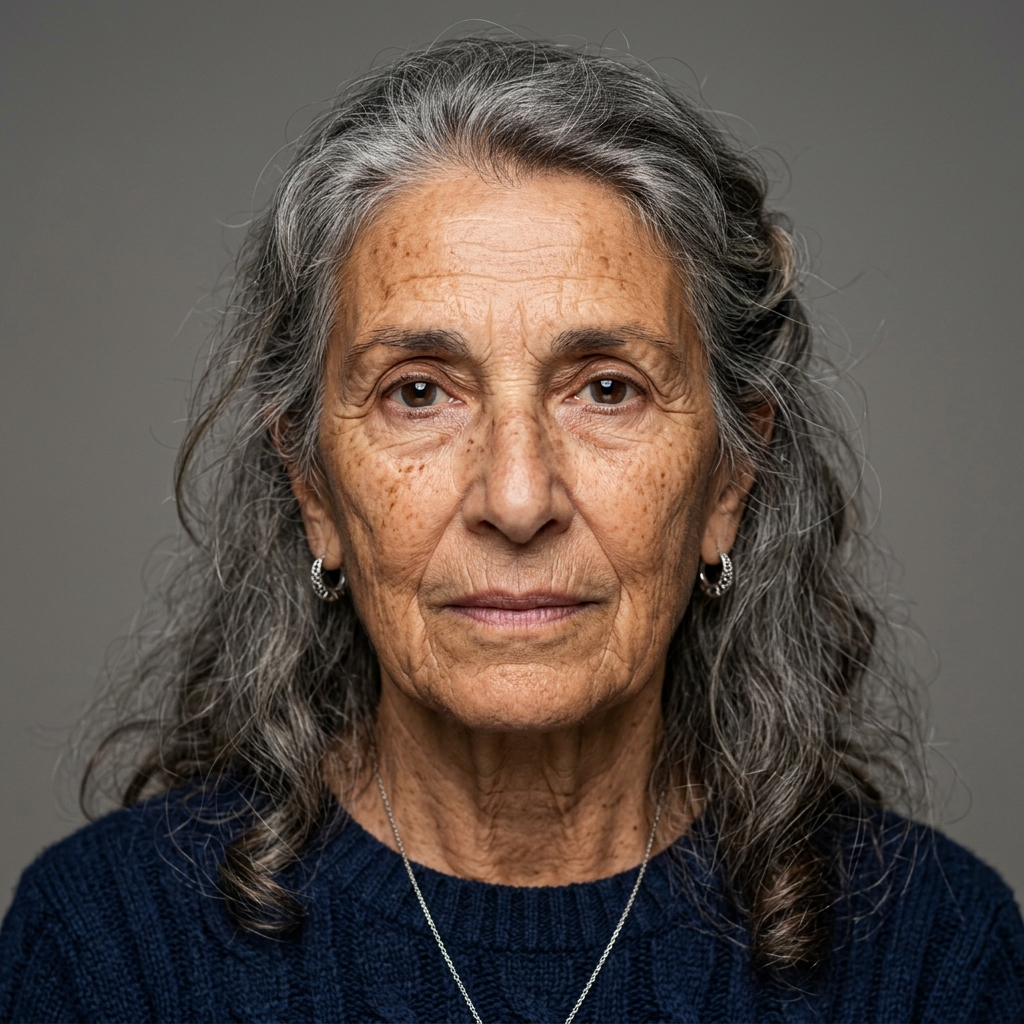
When I first met Mark, he was the embodiment of stability.

When I first met Mark, he was the embodiment of stability. I was a graduate student, thousands of miles away from my home country, feeling the constant ache of homesickness. He would hold my hand and tell me that my culture, my family, and my roots were beautiful.

Before we married, we had “The Talk.” I was clear: I couldn’t raise a family in a vacuum. I needed my mother’s wisdom and my father’s quiet strength. Mark looked me in the eye and promised, “Once we have children, we will move back to your home country. We’ll have the support of your family, and our kids will know where they came from.”


I built my life on that promise. I worked hard, saved money, and supported him as he climbed the corporate ladder, always believing this was just a temporary chapter in a book that ended with us back home.

The moment our first daughter was born, the atmosphere changed. When I brought up the relocation, Mark didn’t just hesitate—he scoffed.

“We have a mortgage here, Maya. My career is finally taking off. It’s unrealistic to move now. You’re being emotional because of the hormones.”

“Emotional” became the tag he used to dismiss every valid concern I had. Instead of moving to my family, his mother, Elena, moved in with us. Suddenly, I wasn’t just a new mother working a full-time job; I was a servant in my own home to a woman who viewed my heritage as an inconvenience.

For years, I lived in a cycle of exhaustion. I missed every wedding, every funeral, and every milestone back home. I watched my parents grow gray and frail through the pixelated lens of a video call, while I spent my days working to pay for a life I never truly wanted.

The phone call came at 3:00 AM. My sister’s voice was thick with tears—my mother had suffered a massive stroke. The prognosis was grim.

I didn’t ask; I informed Mark I was booking a flight for the following morning. The confrontation that followed was cold and clinical. Mark refused to “allow” the expense, citing a “tight budget” despite his recent promotion.

Then came the moment that shattered the last remains of my marriage. Elena sat at the kitchen table, sipping tea, and looked at me with chilling indifference.

“He shouldn’t waste money on a damn trip,” she said, her voice devoid of any empathy. “PEOPLE DIE. THAT’S LIFE.”

Mark didn’t defend me. He didn’t even look up from his phone. In that silence, I realized I wasn’t a partner; I was a utility.

That night, I didn’t cry. I acted.

I realized that for years, I had been depositing my paycheck into a joint account he controlled. But I had a small, private savings account from a freelance project he knew nothing about. It was enough for three one-way tickets: one for me, and two for my children.

While Mark and Elena slept, I packed three suitcases. I didn’t take the jewelry he bought me or the expensive electronics. I took our passports, my birth certificate, and my children’s favorite toys.

  1. The Departure: I left a note on the kitchen table. It didn’t contain anger—just a copy of the written promise he had made me ten years prior, which I had saved in my journal. Underneath it, I wrote: “You’re right, Elena. People do die. And I refuse to let my spirit be one of them.”

  2. The Arrival: The flight was long, but for the first time in a decade, I felt I could breathe. When we landed, the humidity and the smell of jasmine hit me like a physical embrace.

  3. The Reunion: I made it to the hospital in time. My mother couldn’t speak, but when she saw me holding my children, her eyes cleared. She knew I was home.

Mark tried to fight it from across the ocean, but the distance and his own greed worked against him. He didn’t want the children; he wanted the control. When he realized I wouldn’t be coming back to cook his meals and endure his mother’s insults, he eventually settled for a distant, paper-only divorce.

Today, my children are growing up surrounded by cousins, aunts, and the warmth of a community that knows their names. I work as a consultant, and though life isn’t perfect, it is authentic.

I learned the hardest lesson a person can learn: Never build your future on a promise someone makes while they are trying to gain something from you. Build it on your own strength instead.

Leave a Reply

Your email address will not be published. Required fields are marked *