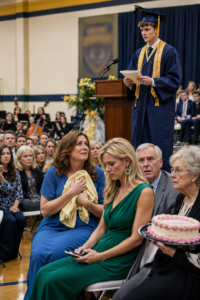
Maybe because I still thought of Vanessa as a child.
She was sixteen then. Six years younger than me. The pretty one. The fragile one. The one my mother protected from consequences the way some people protect antique china. Vanessa did not empty the dishwasher; she was tired after dance practice. Vanessa did not apologize when she snapped at people; she was sensitive. Vanessa did not need to think about practical things; she had “a light” in her, according to Rita, and the rest of us were expected to dim ourselves around it.
I was the reliable daughter.
That sounds like praise until you realize it is actually a job description.
I was the one who set the table. The one who washed dishes. The one who drove Vanessa to dance on Tuesdays and Thursdays. The one who remembered Dad’s blood pressure medication, filled out school paperwork, picked up groceries when Mom had a headache, and answered the phone when something needed fixing. If Vanessa cried, everyone rushed toward her. If I cried, my mother told me I was too old for dramatics.
When I pulled into the driveway that night, every light in the house was on.
Rita sat at the kitchen table with a cup of tea she had not touched. Gerald stood by the refrigerator, arms crossed, staring at the floor. My father was not a cruel man, exactly. He was something more ordinary and, in some ways, more damaging. He was absent inside his own life. Present at the table, missing from every conversation that required courage.
Vanessa was upstairs. I could hear her crying through the ceiling.