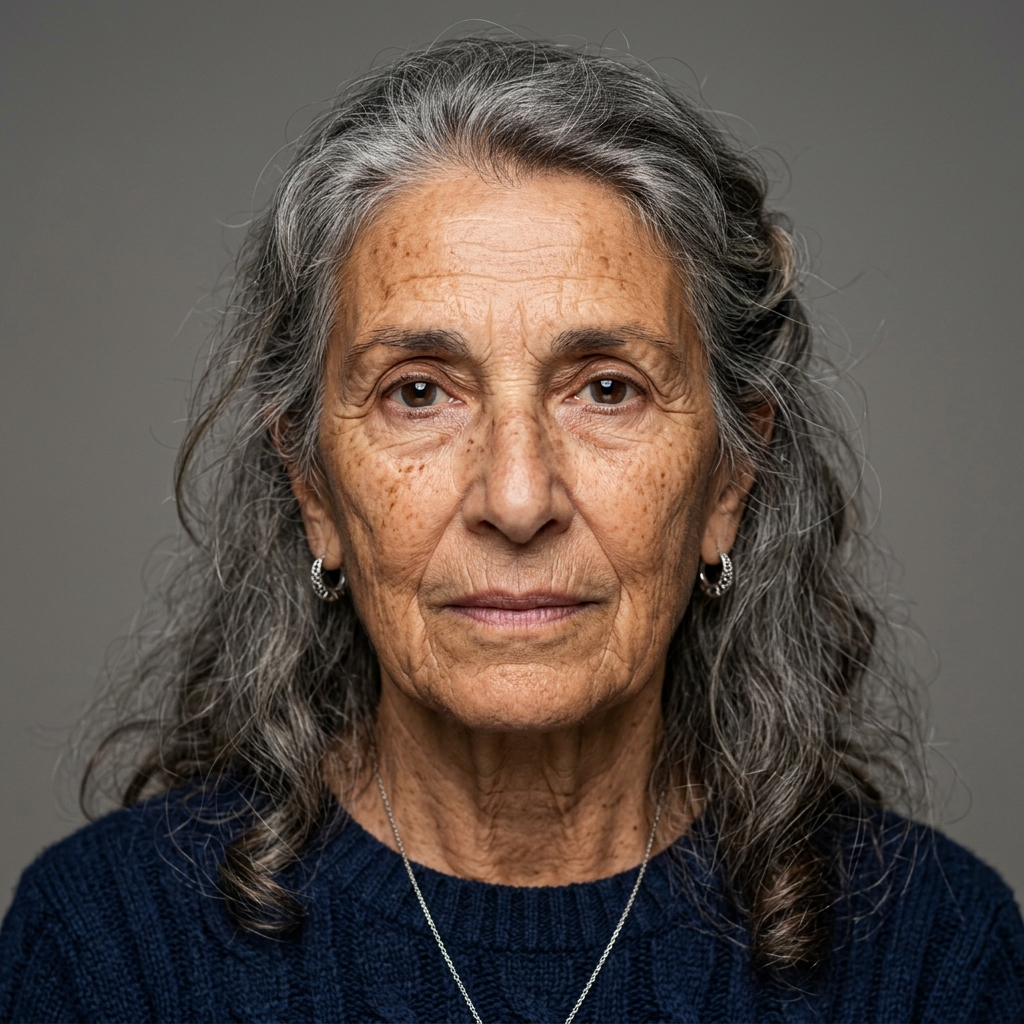
I used to believe I was protecting my daughter.
Now I understand that sometimes, the person you think you’re protecting is the person you hurt the most.
My daughter, Celia, was twenty-six when she told me she was getting married.
I remember sitting across from her at my kitchen table, staring at the photograph she had placed in front of me.
His name was Daniel.
He was kind. Quiet. Hardworking.
And divorced.
Worse, he had two young children.
I didn’t see a man who had survived a failed marriage and was trying to build a new life.
I saw problems.
I saw diapers, school bills, custody arguments, a former wife, and years of complications.
“You don’t know what you’re getting yourself into,” I told Celia.
She smiled sadly.
“I know exactly what I’m getting into, Mom.”
“No, you don’t.”
Then I said the sentence I would spend the next eleven years regretting.
“You’ll spend your life cleaning up somebody else’s mess.”
Celia’s eyes filled with tears.
But she didn’t argue.
She simply stood up.
“Maybe,” she whispered. “But they’re people, Mom. Not messes.”
I refused to attend the wedding.
I told myself it was a lesson she needed to learn.
I thought she’d eventually come home crying.
She never did.
Instead, Christmas cards began arriving.
The first one showed Celia, Daniel, and his two children smiling beside a small Christmas tree.
I didn’t open it.
I sent it back.
The next year, another card came.
Returned.
Then another.
Returned.
Eventually, the cards stopped.
For years, I knew almost nothing about her life.
I heard pieces through neighbors and church members.
Celia had gone back to school.
She had become a pediatric dentist.
She and Daniel had eventually welcomed another child.
Three children.
One family.
A life I wasn’t part of.
I told myself I didn’t care.
But every Christmas, I still looked at the mailbox.
Then last month, everything changed.
Our church announced a major donation to a local family shelter.
The pastor stood at the microphone and smiled.
“This generous family has donated $27,500 to help provide housing, food, and medical care for children in need.”
Then he announced the donor.
Dr. Celia Monroe.
My daughter.
The church erupted in applause.
I couldn’t move.
I stared at the hymnbook in my hands.
She hadn’t inherited money from me.
She hadn’t asked me for a loan.
She hadn’t needed my help.
She had built her own career, raised three children, and somehow found the generosity to give away $27,500.
I sat through the rest of the service with my hymnbook closed.
That afternoon, I drove to her dental office.
I didn’t call first.
I didn’t know what I was going to say.
The receptionist looked up.
Her expression changed immediately.
“You’re Celia’s mother, aren’t you?”
I nodded.
She hesitated.
“She’s expecting you.”
My heart stopped.
“She knows I’m here?”
“Yes.”
The receptionist lowered her voice.
“She asked me to ask you something.”
“What?”
She looked directly at me.
“She wants to know whether you came to apologize…”
She paused.
“…or to ask for something.”
The question cut deeper than anything Celia could have said herself.
I whispered, “I came to apologize.”
The receptionist nodded toward the hallway.
“She’s waiting.”
Celia was sitting behind her desk.
She looked older than I remembered.
Not old.
Just… grown.
There were family photographs on the wall.
Daniel.
Three children.
Celia smiling between them.
I stared at the photographs.
“I’ve missed a lot,” I whispered.
“Yes,” she said.
There was no anger in her voice.
Somehow, that hurt worse.
“I was wrong,” I said.
Celia looked down.
“I know.”
“I thought I was protecting you.”
“I know.”
“I thought you were ruining your life.”
She smiled faintly.
“You weren’t protecting me, Mom. You were protecting the life you imagined for me.”
I couldn’t answer.
Then Celia opened a drawer and pulled out a small box.
She placed it on the desk.
I recognized it immediately.
My old Christmas cards.
The ones I had returned.
Every single one.
Celia had kept them.
“I thought you threw these away,” I said.
“I couldn’t.”
She pushed the box toward me.
“Even when you returned them, I kept buying one.”
My eyes filled with tears.
“Why?”
“Because I wanted my children to know that their grandmother was still their grandmother, even if she wasn’t ready to be one.”
I broke down.
But then Celia said something that made my blood run cold.
“There’s something else you need to know.”
She opened another folder.
Inside was an old photograph.
Daniel stood beside two little boys.
But behind them was a woman I recognized.
My breath caught.
I knew her.
She had been one of the women who worked at our church shelter years ago.
Celia saw my expression.
“You remember her?”
I nodded slowly.
“That was Daniel’s former wife.”
I stared at the photograph.
Celia continued.
“When I met Daniel, I thought his divorce was the biggest complication in my life.”
She shook her head.
“It wasn’t.”
“What was?”
She looked at me.
“His children.”
My stomach tightened.
“What do you mean?”
Celia took a breath.
“Those two boys weren’t just children from a broken marriage. Their mother was battling cancer. Daniel wasn’t looking for someone to replace her. He was trying to keep his family together while she was dying.”
I covered my mouth.
Celia continued.
“She asked me to promise something.”
“What?”
“That if she didn’t survive, I would never let her boys believe they were unwanted.”
I began crying.
“And you kept that promise?”
Celia nodded.
“For eleven years.”
Then she reached across the desk and took my hand.
“Mom, those children were never somebody else’s mess.”
She looked toward the family photographs.
“They became my family.”
I couldn’t speak.
Then she added quietly:
“And that’s why I donated the $27,500.”
I looked at her.
“To the shelter?”
“Yes.”
“Why that amount?”
Celia smiled through her tears.
“Because that was the amount you once left in my name.”
I froze.
“What?”
She opened another envelope.
Inside was an old bank statement.
Years ago, after my husband died, I had quietly put $27,500 aside for Celia’s future.
But when she married Daniel, I had taken it back.
I had told myself she didn’t deserve it anymore.
Celia had somehow received it years later through the estate paperwork.
And instead of keeping it…
She gave it away.
“I don’t need your money,” she said.
“But there are families who need it.”
I stared at my daughter.
The child I thought had ruined her life had built a life bigger than anything I had imagined.
Then she stood up and hugged me.
For the first time in eleven years, I held my daughter.
And through my tears, I whispered the words I should have said in 2015:
“I was wrong.”
Celia held me tighter.
“I know, Mom.”
Then she pulled away and smiled.
“But there’s one more thing.”
“What?”
She pointed toward the family photographs.
“My children have been asking about you.”
My heart stopped.
“Do they know who I am?”
Celia smiled.
“Yes.”
“What did you tell them?”
She wiped away a tear.
“I told them you were my mother.”
Then she paused.
“And that you’re finally ready to meet your grandchildren.”
I looked at the three photographs on her wall.
Three children.
Three lives I had never known.
And for the first time, I realized something painful:
I hadn’t lost my daughter when she married Daniel.
I had been given eleven years to love four people—and I had spent those years proving I didn’t know how.