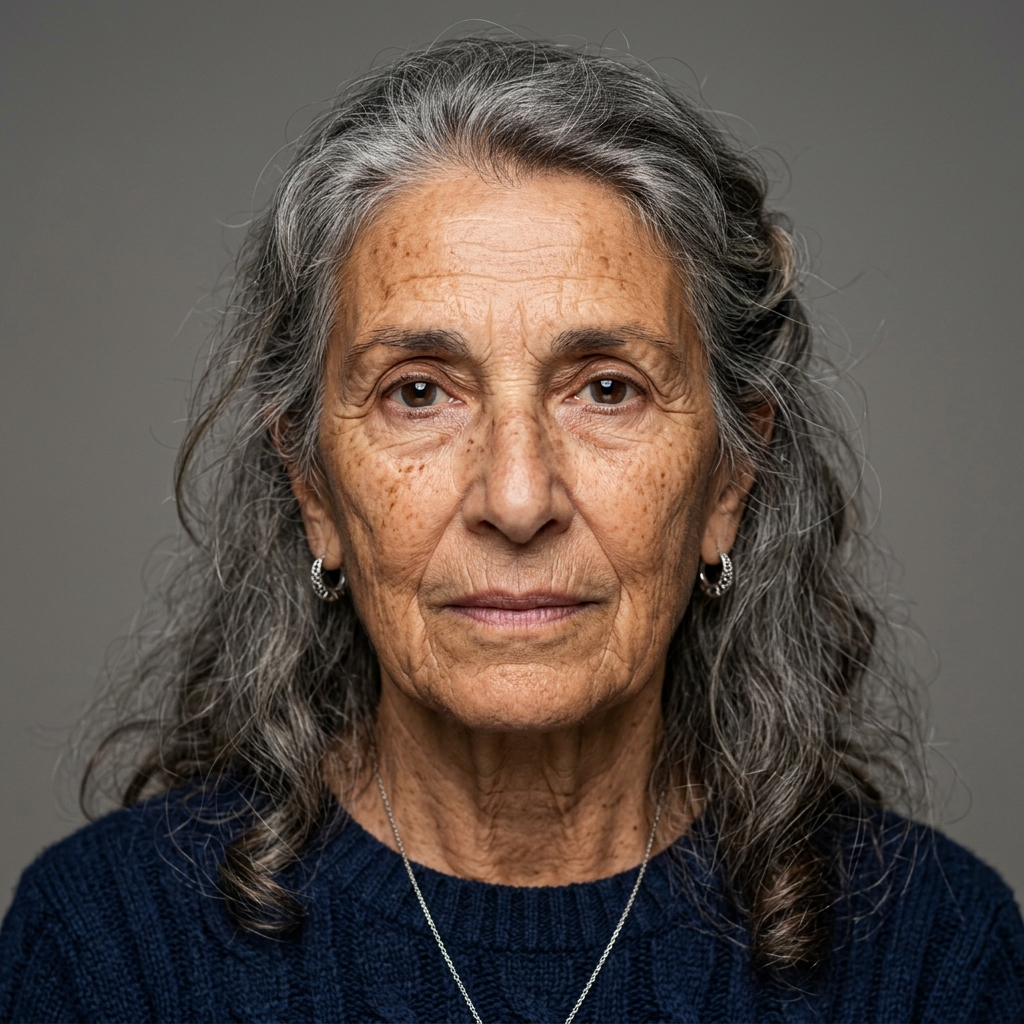
At 4 a.m., my pregn/ant daughter showed up at my door, barely able to stand, one hand clutching her stomach. “My sister-in-law,” she whispered through tears. “She said my baby didn’t belong in their wealthy family.”

PART 1

In that moment, something inside me turned to ice. For 20 years, I had taught my daughter to be gentle. I locked the door, called my brother, and said calmly, “It’s time. Do what Daddy taught us.”
I am a 63-year-old retired ER trauma nurse. I retired to a quiet house in the woods to escape the blood and the sirens.
At 4:00 AM, while making biscuit dough, I heard a heavy thud on my back porch, followed by a ragged, wet gasp for air.
When I opened the door, my heart froze. My daughter, Maya, was on her hands and knees on the frost-covered wood. Her beautiful face was a horrific canvas of violence. Her lip was split and
bleeding, one eye swollen completely shut. She was wrapping one arm tightly around her ribs, the other desperately guarding her lower abdomen.
My trauma training kicked in. I didn’t panic. I dragged her into the bright kitchen. Under the fluorescent light, I saw the dark, violent finger-marks blooming on her pale throat.
“Maya,” I asked softly, keeping my voice entirely level. “Who did this?”
“It was Celeste,” she whispered, her voice cracking. Celeste was the sister of Maya’s husband, Marcus. She was a trust-fund sociopath from the billionaire Vanguard family, a woman who had
always treated my middle-class daughter like a gold-digging parasite.
Maya placed a trembling, bruised hand low on her stomach. “I’m eight weeks pregnant, Mom. I told her. I thought… I thought a baby would make them happy. I thought it would fix things.”
Tears spilled over her bruised cheeks, mixing with dried blood.
“She went crazy. She screamed that I was trying to trap them for their money. Then she shoved me down a flight of stairs. When I was on the floor, she kept kicking my stomach… She said my baby
didn’t belong in their family.”
Assaulting a pregnant woman with the spoken intent to harm the unborn child is an act of monstrous, irredeemable evil.
“Where was Marcus?” I asked, my voice dropping to a dangerous, absolute whisper. “Where was your husband while his sister threw you down the stairs?”
Maya squeezed her eyes shut in pure, agonizing betrayal.
“He was there, Mom. He stood at the top of the stairs. He watched her do it. He told me to stop screaming and embarrassing him. He said I was overreacting.”
The silence in the kitchen became absolute. The rhythmic ticking of the wall clock sounded like a judge’s gavel.
The quiet, baking retiree died in that exact moment.
I wrapped a blanket around my daughter and locked the deadbolt. I didn’t dial 911. The local police in the Vanguards’ wealthy zip code were bought and paid for. They would write this off as a
“clumsy fall.”
Instead, I dialed the unlisted number of my older brother, Arthur—a ruthless senior partner at a massive law firm who specialized in destroying corporate empires.
“Evy?” Arthur’s voice was thick with sleep at 5:00 AM. “What’s wrong?”
“It’s time, Arthur”…
“Time for what?”
“Maya is bleeding in my kitchen,” I stated, delivering the facts with brutal efficiency. “Celeste Vanguard assaulted her. Marcus watched and did nothing. She pushed her down a flight of stairs and
kicked her in the stomach. Maya is eight weeks pregnant.”
I heard a sharp, sudden intake of breath on the other end of the line. The rustle of bedsheets. The sleepy, older brother vanished instantly; the apex predator woke up.
“I’m on my way,” Arthur said, his voice dropping into a lethal, clipped cadence. “Do not let her wash her face. Do not change her clothes. We need high-definition photographs of the blood
patterns.”
“I’m taking her to County General,” I told him, grabbing my car keys from the hook. “It’s out of the Vanguards’ sphere of influence. The attending doctors there are my old colleagues. They won’t
lose the assault report, and they won’t be intimidated by a Vanguard lawyer. Meet us in the ER.”
“County General it is,” Arthur replied. “Do what Daddy taught us, Evy. Protect our own. I’ll make sure every monster in that house answers for what they did.”
I hung up the phone. I helped Maya stand, wrapping a heavy wool blanket around her shivering shoulders. I led her out to the garage and helped her into the passenger seat of my old, reliable
Volvo.
Just as I put the key in the ignition, my cell phone, resting in the cup holder, buzzed violently. The screen lit up in the dark cabin.
It was a text message from Marcus.
Maya is acting crazy. She stormed out and is probably crying at your house. Tell her to grow up and come home before she ruins my reputation at the firm. Celeste didn’t even hit her that hard.
I stared at the glowing text. I read the words ruins my reputation and didn’t even hit her that hard. I looked over at my beautiful daughter, her face a horrific canvas of swelling purple and dried
crimson.
“Don’t worry, Marcus,” I whispered to the dark dashboard, my hands gripping the steering wheel until my knuckles turned white. “I’m going to ruin a lot more than your reputation.”

Chapter 1: The Cold Dawn and the Broken Bird

There is a profound, sacred quiet that exists only at four o’clock in the morning. It is an hour that belongs exclusively to the weary, the grieving, and those who bake.

I stood in my dimly lit kitchen, measuring flour without looking, relying on the muscle memory accumulated over four decades. I shaved cold, unsalted butter into the ceramic bowl, working it into the flour with my fingertips until the mixture felt exactly like damp, coarse sand. My late husband used to say my biscuits tasted like patience. He was right. Patience is not simply waiting; it is the quiet, methodical preparation for what comes next.

I am a sixty-three-year-old retired trauma nurse. For thirty years, I worked in emergency rooms, learning to read the chaotic language of human suffering. I learned how to separate my panic from my hands, how to slow my breathing when a room was painted in tragedy. I retired to this quiet house at the edge of the woods to escape the blood and the sirens, seeking only the hum of my refrigerator and the warmth of my oven.

I had just set the first tray of raw dough onto the counter when I heard it.

It was a dull, heavy thud against the wooden planks of my back porch, followed by the unmistakable, agonizing sound of a ragged, wet breath.

My heart did not leap; it froze. I wiped my floured hands on my apron, walked to the back door, and flipped the exterior light switch.

When I opened the door, the chill of the autumn morning washed over me, but it was nothing compared to the ice that flooded my veins.

My daughter, Maya, was on her hands and knees on the frost-covered wood.

Her long, dark hair was tangled and matted, hanging like a curtain over a face that I almost did not recognize. She had been brutally, systematically beaten. Her lower lip was split wide open, the blood already congealed and dark. A terrifying, swollen purple half-moon was expanding rapidly beneath her right eye, forcing it shut. One of her arms was wrapped tightly across her abdomen, clutching her ribs as if holding her very skeleton together. Her breath hitched in shallow, agonizing pulls, emitting a low, whimpering sound that bypassed my ears and struck directly at my soul.

“Maya,” I breathed, dropping to my knees on the freezing wood.

I didn’t ask if she was okay. A trauma nurse never asks a bleeding patient if they are okay. I slid my arms under her shoulders, wincing as she cried out in pain, and half-carried, half-dragged her into the warmth of the kitchen.

I eased her into a sturdy wooden chair at the kitchen table. The harsh overhead fluorescent light revealed the true extent of the horror. There were dark, violent finger-marks blooming on her pale throat. Her designer sweater—a gift from her husband’s family—was torn at the shoulder, revealing scraped, raw skin beneath.

I moved with clinical, detached speed. I wet a clean washcloth with cold water and gently pressed it against her swollen eye.

“Maya,” I asked softly, keeping my voice entirely level. “Who did this? What happened?”

She leaned into my touch, her good eye fluttering open, swimming in tears of profound, shattering betrayal.

“It was Celeste,” she whispered, her voice cracking, each word pulling at her bruised ribs. “She came over last night. She said… she said she wanted to make peace. To talk.”

I closed my eyes for a fraction of a second. I knew Celeste. Celeste was the younger sister of Maya’s husband, Marcus. She was a product of the Vanguard family—a lineage of generational wealth that viewed the rest of humanity as a servant class. Celeste was a trust-fund sociopath who wore Prada and cruelty with equal, effortless ease. She had always hated Maya’s middle-class background, viewing my daughter as a parasite attempting to siphon their precious bloodline.

Maya placed a trembling, bruised hand low on her stomach, her fingers curling protectively inward.

“I’m eight weeks pregnant, Mom,” she sobbed, the tears finally spilling over, mixing with the blood on her lip. “I told her. I thought… I thought it would make her happy. An heir. A baby. I thought it would fix things.”

A cold, heavy dread settled in the base of my spine.

“She went crazy,” Maya gasped, her chest heaving. “She screamed that I was trying to trap them. She pushed me down the stairs. When I was on the floor, she kicked me. Over and over. She said my baby didn’t belong in their family.”

Assaulting a woman is a crime. Assaulting a pregnant woman, with the explicit, spoken intent of harming the unborn child, is an act of monstrous, irredeemable evil.

“Where was Marcus?” I asked, my voice dropping to a dangerous, absolute whisper. “Where was your husband while his sister threw you down the stairs?”

Maya squeezed her eyes shut, a fresh wave of agony twisting her battered face. “He was there, Mom. He stood at the top of the stairs. He watched her do it. He told me to stop screaming and embarrassing him. He said I was overreacting.”

The silence in the kitchen became absolute. The rhythmic ticking of the wall clock sounded like a judge’s gavel. The raw biscuits sitting on the counter suddenly felt like irrelevant relics from a different, peaceful lifetime that had just been violently stolen from us.

I didn’t cry. I didn’t scream or curse God. I gently pulled the cold washcloth from my daughter’s face, kissed the top of her blood-matted head, and stood up. I walked calmly down the hallway and engaged the heavy deadbolt on the solid oak front door.

The time for baking was over.

Chapter 2: The Call to Arms
Panic is a luxury reserved for those who have someone else to save them. When you are the last line of defense, panic is a death sentence.

I returned to the kitchen and began a rapid, clinical assessment. Her pupils were equal and reactive, though sluggish. Her ribs were severely bruised, possibly cracked, but she was not demonstrating the paradoxical breathing that indicated a punctured lung. However, the most critical patient in the room was the one I couldn’t see. An eight-week pregnancy subjected to blunt force trauma is a ticking clock.

I picked up the wall-mounted landline phone. I did not dial 911.

The local police precinct in Celeste and Marcus’s wealthy, gated zip code was notoriously corrupt. The Vanguard family had funded the construction of the new police athletic league. They played golf with the chief. If I called a local black-and-white to Marcus’s house, the report would be sanitized, the responding officers would be charmed, and Maya’s injuries would be officially documented as a “clumsy fall.”

Instead, I dialed the unlisted cell phone number of my older brother, Arthur.

Arthur and I had grown up in the kind of grinding poverty that either breaks you into a victim or tempers you into steel. Our father, a quiet, hardened steelworker, had taught us one unbreakable, foundational rule: You never start a war, but if someone touches your blood, you make sure they don’t have the hands left to fight back.

Arthur had taken that philosophy and monetized it. He was now a senior partner at a massive, ruthless law firm in the city that specialized in hostile corporate dismantling and aggressive litigation. He destroyed empires for a living.

He answered on the second ring.

“Evy?” Arthur’s voice was thick with sleep. “It’s five in the morning. What’s wrong?”

“It’s time, Arthur,” I said, my voice so cold and level it frightened even me.

“Time for what?”

“Maya is bleeding in my kitchen,” I stated, delivering the facts with brutal efficiency. “Celeste Vanguard assaulted her. Marcus watched and did nothing. She pushed her down a flight of stairs and kicked her in the stomach. Maya is eight weeks pregnant.”

I heard a sharp, sudden intake of breath on the other end of the line. The rustle of bedsheets. The sleepy, older brother vanished instantly; the apex predator woke up.

“I’m on my way,” Arthur said, his voice dropping into a lethal, clipped cadence. “Do not let her wash her face. Do not change her clothes. We need high-definition photographs of the blood patterns.”

“I’m taking her to County General,” I told him, grabbing my car keys from the hook. “It’s out of the Vanguards’ sphere of influence. The attending doctors there are my old colleagues. They won’t lose the assault report, and they won’t be intimidated by a Vanguard lawyer. Meet us in the ER.”

“County General it is,” Arthur replied. “Do what Daddy taught us, Evy. Protect our own. I’ll make sure every monster in that house answers for what they did.”

I hung up the phone. I helped Maya stand, wrapping a heavy wool blanket around her shivering shoulders. I led her out to the garage and helped her into the passenger seat of my old, reliable Volvo.

Just as I put the key in the ignition, my cell phone, resting in the cup holder, buzzed violently. The screen lit up in the dark cabin.

It was a text message from Marcus.

Maya is acting crazy. She stormed out and is probably crying at your house. Tell her to grow up and come home before she ruins my reputation at the firm. Celeste didn’t even hit her that hard.

Continue to Part 2 Part 1 of 3

Leave a Reply

Your email address will not be published. Required fields are marked *